To read a recipe like a pro baker, focus on understanding the language and terminology, paying attention to details like measurements and step order. Follow the instructions carefully, noting techniques such as folding or sifting, and be mindful of timing and oven settings. Being precise and organized helps guarantee success. Keep practicing these skills, and you’ll gain the confidence to tackle any baked good with finesse as you continue exploring the craft.
Key Takeaways
- Familiarize yourself with common baking terminology like “fold in,” “sift,” and “cream” to understand each step’s purpose.
- Follow the sequence of instructions carefully, noting the order of steps such as creaming butter and sugar before adding eggs.
- Pay close attention to measurement details, using precise units to ensure consistency and proper results.
- Adjust ingredients or techniques when necessary, understanding substitutions to accommodate available supplies or dietary needs.
- Monitor oven settings and baking times closely, using cues and timers to achieve perfect doneness.
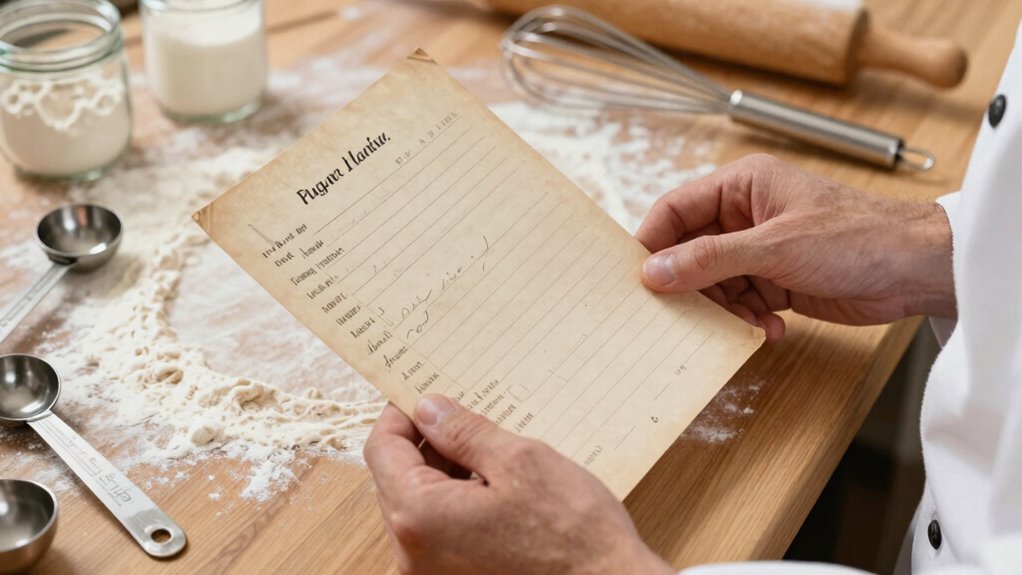
Reading a recipe might seem straightforward, but understanding how to interpret its components can make your cooking more successful. One key aspect is recognizing ingredient substitutions, which allow you to adapt recipes based on what you have on hand or dietary needs. Instead of following a recipe verbatim, knowing common ingredient substitutions helps you maintain the dish’s integrity. For example, if a recipe calls for buttermilk and you don’t have any, you can substitute with milk mixed with a splash of vinegar or lemon juice. Similarly, if you’re out of eggs, applesauce or mashed bananas can often work as replacements in baked goods. Being familiar with ingredient substitutions means you can be flexible without sacrificing flavor or texture, and it encourages creativity in your cooking.
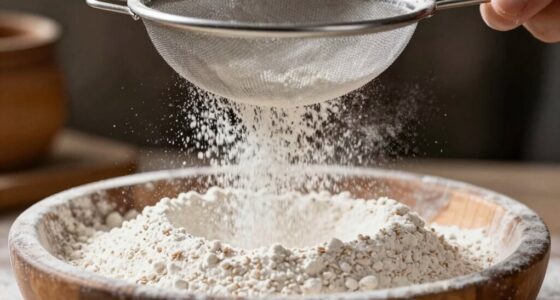
Another important part of reading a recipe like a pro is understanding the recipe terminology used throughout. Recipes often include terms like “fold in,” “cream,” “sift,” or “temper,” which might sound confusing if you’re new to baking. Recognizing what these terms mean and how to execute them correctly is *vital* to success. For instance, “fold in” indicates gently mixing a lighter ingredient into a heavier one to preserve airiness, while “sift” means to pass dry ingredients through a sieve to break up lumps and aerate the mixture. If you don’t understand these terms, you might end up overmixing or under-preparing ingredients, affecting the final product. Taking the time to familiarize yourself with common recipe terminology ensures you follow instructions accurately and get the best results.
Understanding terms like fold in, cream, sift, and temper is essential for successful baking.
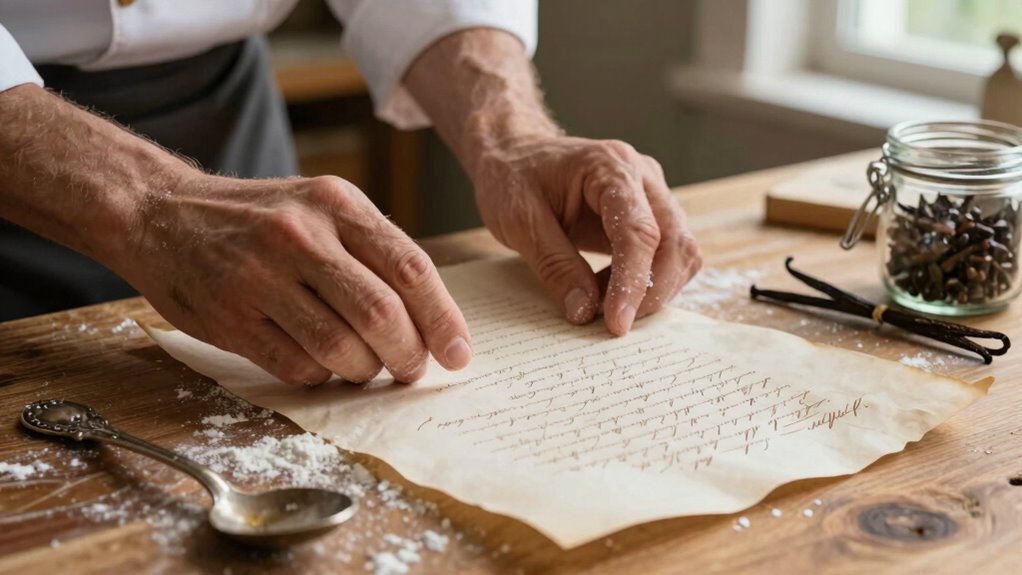
Reading a recipe with confidence also involves paying attention to details like measurement units and the sequence of steps. Recipes typically include specific measurements—cups, tablespoons, grams—that guide you in adding ingredients precisely. Misreading or ignoring these can lead to inconsistent results. *Furthermore*, the order in which ingredients are combined often matters *greatly*, especially in baking, where the chemistry of ingredients influences the texture and rise of your baked goods. For example, creaming butter and sugar together before adding eggs creates a light, airy batter, while adding ingredients in the wrong sequence can cause dense or flat results. Additionally, understanding the concept of baking chemistry helps you grasp why certain steps are critical for achieving the desired outcome.
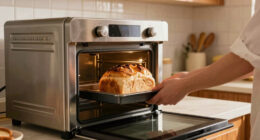
Finally, understanding timing instructions and oven settings helps you manage the process smoothly. Recipes often specify baking times, temperatures, and sometimes suggest checking for doneness visually or by touch. Knowing how to interpret these cues enables you to bake with confidence, avoiding under- or over-cooked dishes. In essence mastering how to read a recipe involves more than just following instructions; it’s about understanding the language, adapting when necessary, and paying attention to details so that every bake turns out just right.
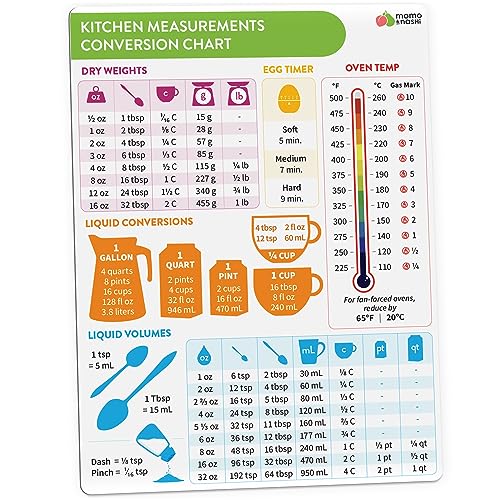
Kitchen Conversion Chart Magnet – Measurements Conversion Chart – Baking Supplies Baking Accessories Cooking Gadgets – Baking Kitchen Cooking Gifts for Women – Kitchen Gadgets
Master Every Baking Session. Our Kitchen Measurement Conversion Chart Magnet is crafted for precision with clear, bold fonts…
As an affiliate, we earn on qualifying purchases.
As an affiliate, we earn on qualifying purchases.
Frequently Asked Questions
How Do I Adjust Recipes for Altitude Changes?
When adjusting recipes for altitude, you should modify ingredient quantities and consider flavor adjustments. Increase liquids slightly to prevent dryness, and reduce baking powder or baking soda to avoid over-expansion. You might also need to adjust baking temperature and time. Make ingredient substitutions carefully to maintain flavor and texture. Keep notes on your changes, so you can refine your process for perfect results every time at high altitudes.
What Are Common Substitutions for Unavailable Ingredients?
When ingredients are unavailable, you can use alternative ingredients or substitution tips to keep your recipe on track. For example, swap applesauce for oil, Greek yogurt for sour cream, or honey for sugar. Always consider the role of the ingredient in the recipe, and adjust quantities accordingly. These substitution tips help you adapt recipes easily, ensuring your baked goods turn out delicious even when certain ingredients are hard to find.
How Can I Tell if My Baked Goods Are Overmixed?
You can tell your baked goods are overmixed if the batter becomes overly smooth and stiff, losing its lightness. Pay attention to your mixing techniques; if you mix too vigorously or too long, gluten develops excessively, leading to dense results. Check the batter consistency—ideally, it should be slightly lumpy or smooth but not overly glossy or stiff. Overmixing often results in tough textures, so stop once ingredients are just combined.
What’s the Best Way to Scale a Recipe up or Down?
To scale a recipe up or down, start by adjusting each ingredient proportionally, using a kitchen scale for accuracy. When making ingredient swaps or flavor enhancements, keep the ratios consistent to maintain balance. For larger batches, consider mixing in smaller portions to ensure even distribution. Tasting and adjusting seasonings as you go helps attain the perfect flavor, regardless of the recipe size. This way, your baked goods stay just right.
How Do I Interpret Unfamiliar Cooking Terms or Techniques?
When you encounter unfamiliar cooking terms or techniques, focus on ingredient symbolism and terminology deciphering. Break down the terms by researching their meaning or looking for context clues within the recipe. Use trusted cooking resources or videos to see these techniques in action. Don’t hesitate to ask experienced bakers or chefs for clarification. This approach helps you understand each step clearly, making your baking process smoother and more confident.
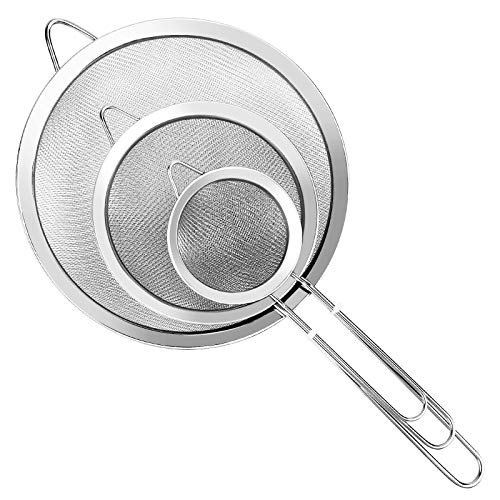
3Pcs Super Wire Extra Fine Mesh Strainer with Handle, Small Medium Large Size Sifter Metal Strainer Set, Stainless Steel Sieve Fine Mesh Strainers for Kitchen Rice Juice Quinoa Food Flour Baking YLYL
3 Pcs Fine Mesh Strainer With Handle: Three diameters 3.15″ , 5.5″ & 7.87″, ensures that you always…
As an affiliate, we earn on qualifying purchases.
As an affiliate, we earn on qualifying purchases.
Conclusion
Mastering how to read a recipe like a pro baker makes all the difference in your baking success. Remember, understanding measurements and techniques helps you create consistently delicious treats. Did you know that bakers who carefully follow recipes are 30% more likely to achieve perfect results? So, take your time, pay attention to details, and enjoy the process. With practice, you’ll turn simple recipes into impressive baked masterpieces every time!

The King Arthur Baking Company's All-Purpose Baker's Companion (Revised and Updated)
As an affiliate, we earn on qualifying purchases.
As an affiliate, we earn on qualifying purchases.

Hotloop Digital Oven Thermometer Heat Resistant up to 572°F/300°C, LCD
EASY READING: you can see the actual temperature that your oven is registering with the digital LCD display,…
As an affiliate, we earn on qualifying purchases.
As an affiliate, we earn on qualifying purchases.