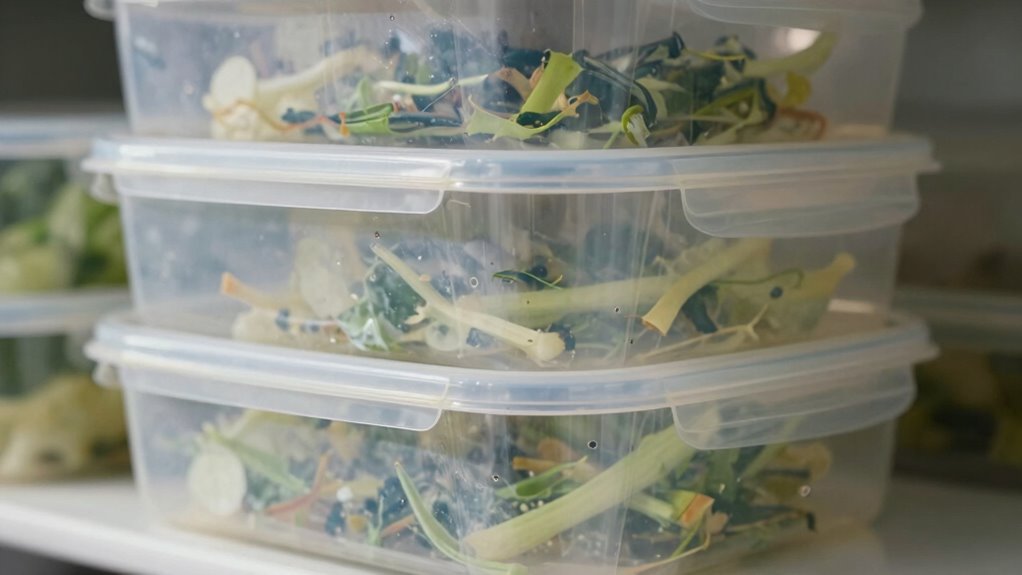

Plastic containers can cause your food, like chips and produce, to lose their crispness over time because they aren’t completely inert and can interact chemically with the food. Imperfect seals allow oxygen and moisture to seep in, promoting spoilage and softening. Over time, plastic degradation and exposure to heat, light, or acidity worsen these effects. Choosing the right container and storage conditions helps, but there’s more to uncover if you want to preserve freshness longer.

Get baking supplies delivered free with Prime
- Fast, free delivery on millions of items
- Prime Video, Amazon Music and more included
- Member-only deals all year
Key Takeaways
- Plastic containers may develop microcracks, allowing air and moisture to infiltrate and affect food texture.
- Over time, plastic can degrade and leach chemicals that alter the crispness of stored food.
- Imperfect seals or scratches can let in oxygen, causing oxidation and staling of food items.
- Exposure to heat, light, or acidic foods accelerates plastic degradation, impacting food freshness.
- Repeated use and environmental factors weaken plastic, reducing its ability to preserve crispness effectively.
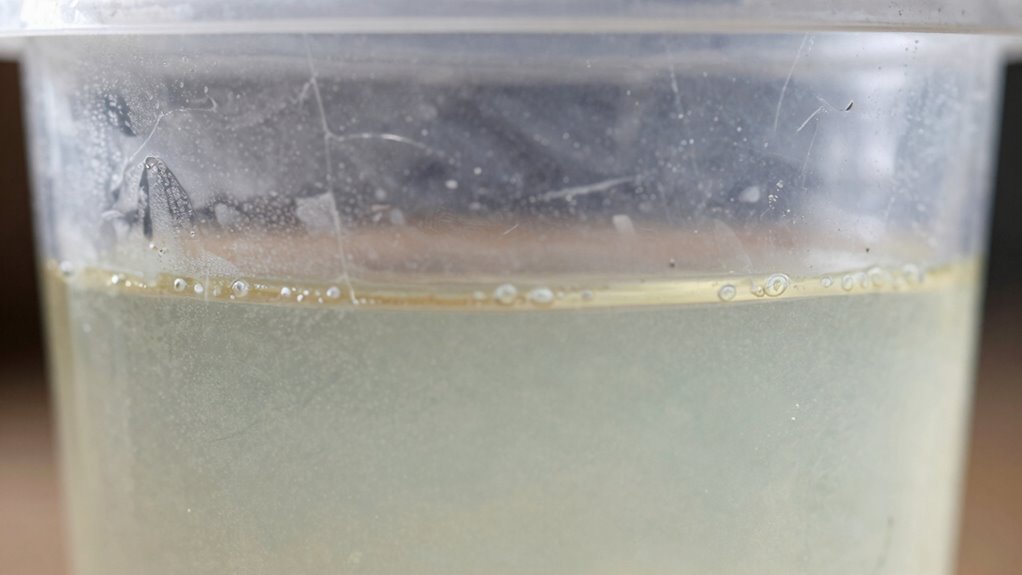
Plastic containers are a popular choice for storing food because they’re convenient and lightweight, but they can also impact the crispness of items like chips and fresh produce over time. When you store food in these containers, you might notice that some items lose their crunch or freshness faster than expected. This happens because plastic, despite its durability, isn’t completely inert. Over time, it can interact with the food inside, leading to material degradation. This degradation can cause tiny particles or chemicals to leach into your food, which not only affects food safety but also accelerates the loss of quality, including crispness.
One of the main reasons for this change in texture is how plastic containers influence food preservation. While they do a good job of sealing out external air and moisture, they are not perfect barriers. Small amounts of oxygen can still seep in, especially if the seal isn’t tight or if the container gets scratched or damaged. Oxygen exposure promotes oxidation, which can cause produce to wilt and chips to go stale faster. Additionally, moisture can become trapped inside, creating a humid environment that encourages mold growth or softening of crispy foods. So, even though plastic containers seem to lock in freshness, they can inadvertently contribute to faster deterioration of texture. Furthermore, the quality of plastic used can significantly affect how well the container preserves food over time. Choosing containers made from high-quality plastic can help reduce these effects. Proper storage conditions and regular inspection of containers are also essential for maintaining food quality.
Material degradation plays a significant role in why crispness declines over time. Plastic isn’t a static material—it’s subject to chemical changes, especially when exposed to heat, light, or acidic foods. These factors can weaken the structure of the plastic, leading to microcracks or breaks in the material. Such damage allows air and moisture to infiltrate more easily, which accelerates spoilage and texture loss. Moreover, certain plastics contain additives or plasticizers that can break down over time, potentially affecting the food’s flavor and texture. When these substances leach into the food, they may also compromise the overall integrity of the stored item, making it less crisp. The interactions between plastics and food are complex and influenced by material degradation, which can vary depending on storage conditions. It’s also important to note that repeated use of the same plastic container can increase the likelihood of deterioration due to wear and tear. Additionally, exposure to environmental factors like heat and light can hasten plastic breakdown, further impacting food freshness. To better preserve the crispness of stored foods, it’s helpful to understand how different plastics react over time and under varying conditions.
In essence, the interaction between food preservation needs and material degradation explains why your stored foods often lose their crunch after a while. Plastic containers are designed to extend freshness, but their limitations mean that over time, they can contribute to the very spoilage they aim to prevent. To maintain optimal crispness, it’s vital to choose high-quality, airtight containers, avoid exposing them to excessive heat or sunlight, and consume perishable items within a reasonable timeframe. Being mindful of these factors helps you better protect your food’s freshness and enjoy crisp, delicious bites longer.
airtight food storage containers
As an affiliate, we earn on qualifying purchases.
As an affiliate, we earn on qualifying purchases.
Frequently Asked Questions
Do Different Plastics Affect How Long Crispness Is Maintained?
Yes, different plastics affect how long crispness is maintained. Plastic composition influences how well a container blocks air and moisture, which are key to preserving crispness. Additionally, container design impacts airflow and sealing effectiveness. High-quality plastics with better barrier properties and thoughtful designs keep moisture out longer, extending freshness. So, choosing the right plastic and container design directly impacts how long your food stays crisp.
Can Temperature Fluctuations Impact Plastic Container Effectiveness?
Think of your plastic containers as a delicate dance partner; sudden temperature fluctuations throw off their rhythm. Yes, temperature fluctuations can impact container effectiveness, causing materials to weaken or warp. Keeping temperature stability guarantees your containers stay durable and reliable. When temperatures stay steady, your containers perform their best, preserving crispness and freshness. Conversely, unstable temperatures threaten their integrity, making them less effective and risking food spoilage.
Are There Specific Storage Tips to Preserve Crispness Longer?
To preserve crispness longer, you should focus on flavor retention and moisture control. Store your plastic containers in a cool, dry place away from direct sunlight. Make sure they’re sealed tightly after each use to prevent moisture loss or entry, which can soften contents. Use airtight containers for better moisture control, and avoid frequent temperature fluctuations. This way, your food stays fresher and crisper for a longer period.
How Does the Thickness of Plastic Containers Influence Food Freshness?
Imagine biting into a crisp apple, your anticipation fading with each soggy bite—thicker plastic containers can help preserve that freshness. They reduce food moisture loss and are less permeable, shielding your food from external humidity and air. Thicker walls create a stronger barrier, slowing spoilage. So, choosing containers with appropriate thickness keeps your food crisper longer, making every bite as satisfying as the first.
Do Recycled Plastics Affect Food Quality and Crispness?
Recycled plastics can affect food quality and crispness because the recycling process may introduce contaminants, reducing plastic purity. These impurities might influence how well the container preserves freshness or maintains crispness over time. When plastics aren’t thoroughly purified during recycling, they can emit odors or chemicals that interact with food, potentially compromising its texture and flavor. Choosing containers made from high-purity recycled plastics helps guarantee better preservation and safety.
high-quality plastic food containers
As an affiliate, we earn on qualifying purchases.
As an affiliate, we earn on qualifying purchases.
Conclusion
Just like a song fading from your favorite playlist, plastic containers lose their crispness over time, surrendering to the silent march of aging. As the plastic molecules relax and air seeps in, the once-sharp crunch becomes a distant echo. So, next time your crisp snacks seem less lively, remember it’s nature’s way of whispering that even the sturdiest containers are not immune to time’s gentle, persistent touch. Embrace the change, and enjoy each fresh crunch while it lasts.
food storage containers with silicone seals
As an affiliate, we earn on qualifying purchases.
As an affiliate, we earn on qualifying purchases.
crispness preserving food containers
As an affiliate, we earn on qualifying purchases.
As an affiliate, we earn on qualifying purchases.
Fall Picks
fall essentials
As an affiliate, we earn on qualifying purchases.