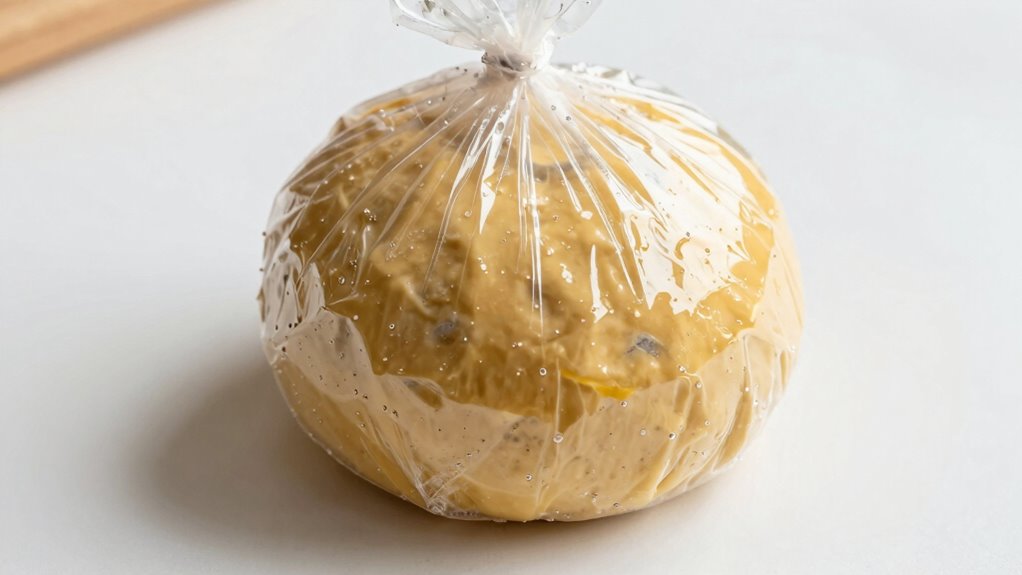

To prevent cookie dough from developing a weird, oxidized flavor, you should store it in airtight containers or tightly wrap it with plastic wrap to limit air exposure. Keep the dough chilled in the refrigerator at or below 40°F and use it within a few days for the best freshness. For longer storage, freeze the dough in sealed containers or wraps, ensuring minimal air. Continue exploring ways to keep your dough fresh and flavorful.

Get baking supplies delivered free with Prime
- Fast, free delivery on millions of items
- Prime Video, Amazon Music and more included
- Member-only deals all year
Key Takeaways
- Wrap dough tightly with plastic wrap or store in an airtight container to limit oxygen exposure.
- Refrigerate dough at or below 40°F and use it within a few days for freshness.
- Incorporate antioxidants like vitamin C powder or natural acids such as lemon juice to prevent browning.
- Mix ingredients gently and just until combined to minimize oxygen incorporation.
- Freeze dough in sealed, airtight containers to prevent oxidation during long-term storage.
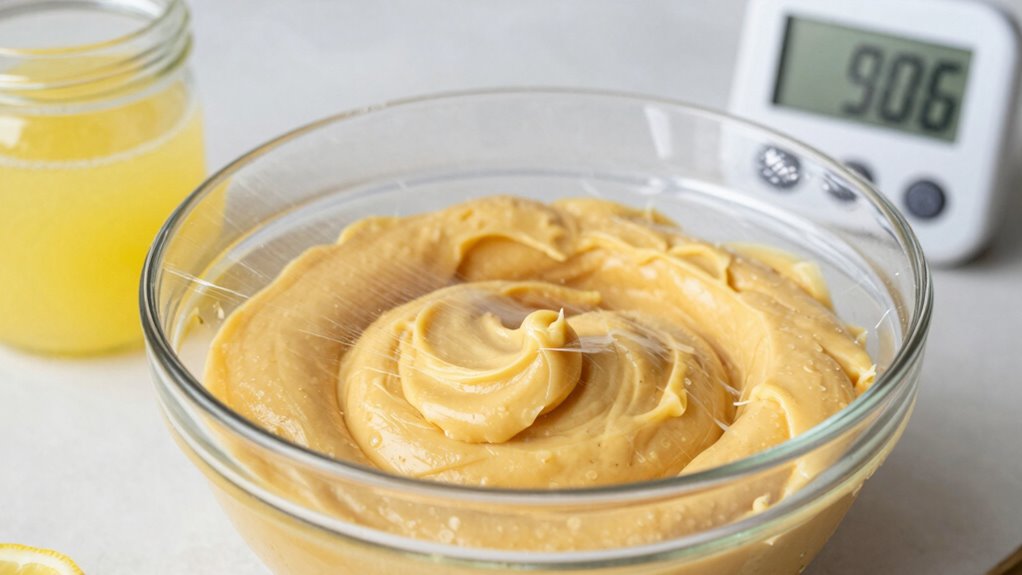
Cookie dough can turn brown and develop off-flavors when exposed to air, a process known as oxidation. This is why your freshly prepared dough might not taste as good after sitting out or being improperly stored. To prevent this, you need to understand effective storage techniques and consider ingredient alternatives that minimize oxidation. Proper storage is your first line of defense. Always cover your dough tightly with plastic wrap or store it in an airtight container. This limits its exposure to oxygen, slowing down the oxidation process. If you’re planning to keep the dough for a day or two, refrigeration is essential. Keep the dough chilled, ideally at or below 40°F (4°C), and try to use it within a few days for the best flavor and texture. When storing, ensure the container or wrap seals completely, preventing air from seeping in. If you prefer to freeze your cookie dough for longer storage, wrap it tightly in plastic wrap, then place it in a freezer-safe bag or container. Proper sealing is vital because even small air pockets can accelerate oxidation once thawed. When you’re ready to bake, thaw the dough in the refrigerator, not at room temperature, to maintain freshness. Besides storage techniques, ingredient alternatives can help reduce oxidation. For example, some bakers substitute certain fats or use antioxidants like vitamin C powder to stabilize the dough. These ingredients can slow down the browning process and preserve flavor. Additionally, using proper mixing techniques that incorporate minimal air can help reduce oxidation during preparation. If you’re concerned about the dough turning brown, consider using fresh, high-quality ingredients and avoiding exposure to light and air during preparation. Using a minimal amount of air in your mixing process can also help; for instance, mixing just until ingredients are combined prevents introducing excess oxygen. Additionally, some bakers add a tiny bit of lemon juice or vinegar as natural antioxidants, which can help maintain the dough’s color and flavor. Always remember that the key is to minimize the dough’s contact with air and keep it in a cool, sealed environment. This combination of proper storage techniques and ingredient choices not only prevents browning but also maintains the dough’s fresh, delicious taste. By taking these precautions, you’ll ensure your cookie dough stays flavorful and visually appealing from the moment you prepare it until you’re ready to bake. Protecting your dough from oxidation is simple once you know the right techniques, and it makes a noticeable difference in your final baked cookies.
airtight plastic food storage containers
As an affiliate, we earn on qualifying purchases.
As an affiliate, we earn on qualifying purchases.
Frequently Asked Questions
Can Adding Lemon Juice Stop Cookie Dough Oxidation?
Adding lemon juice can help stop cookie dough oxidation because it contains natural antioxidant properties. When you mix a small amount of lemon juice into your dough, it slows down the browning process caused by exposure to air. Just be careful not to add too much, as it might alter the flavor. Using lemon juice is an effective way to keep your cookie dough fresh and prevent that weird, oxidized taste.
How Does Storage Temperature Affect Dough Oxidation?
You should control the storage temperature to slow down dough oxidation. Keeping your cookie dough in the fridge at a consistent, cold temperature helps prevent the oxidation process, which can cause off-flavors and discoloration. Avoid fluctuating temperatures, as they accelerate oxidation. Proper temperature control extends your storage duration, keeping your dough fresh and flavorful longer. So, always store your cookie dough in a cool, stable environment for ideal freshness.
Is Oxidation More Common With Certain Types of Cookies?
Think of oxidation as a sneaky gremlin, more enthusiastic to tangle with chocolate chip and sugar cookies. These cookies, especially with their rich fats and sugars, attract oxidation faster, giving them that off-putting flavor. So, yes, oxidation is more common with these types, turning their fresh taste into a dull, metallic note. To keep their deliciousness intact, store them properly and consume soon after baking.
Can Using Natural Preservatives Prevent Dough Discoloration?
Using natural preservatives can help prevent dough discoloration, so you should add ingredients like lemon juice or vinegar to your cookie dough. These natural preservatives slow down oxidation, keeping the dough’s color fresh and appealing. By incorporating these into your recipe, you reduce the chances of browning or discoloration, ensuring your cookies look as good as they taste. This simple step makes a noticeable difference in maintaining dough quality.
How Long Does Cookie Dough Typically Stay Fresh Before Oxidizing?
Dough freshness fades faster than you’d think, usually within 24 to 48 hours before oxidation begins to alter its color and flavor. You might enjoy the initial softness, but it’s a fleeting pleasure. To keep your dough fresh longer, store it airtight in the fridge, and consider adding natural preservatives. Staying ahead of oxidation timing guarantees your cookies taste just as delicious as when you first made the dough.
As an affiliate, we earn on qualifying purchases.
Conclusion
Now that you know how to prevent cookie dough oxidation, you’re just a few simple steps away from perfect, fresh-tasting cookies every time. But beware—miss one detail, and that odd flavor might sneak in when you least expect it. Will your next batch turn out flawless or face that strange bitterness? Keep these tips in mind, stay vigilant, and master the art of fresh, delicious cookie dough. Your perfect batch is just a careful step away—are you ready to bake?
freezer-safe airtight storage bags
As an affiliate, we earn on qualifying purchases.
As an affiliate, we earn on qualifying purchases.
As an affiliate, we earn on qualifying purchases.
Halloween Picks
halloween
As an affiliate, we earn on qualifying purchases.