You’ll find that acidity changes more quickly than leavening because it responds instantly to ingredients, temperature, and environmental factors. Acidic components like lemon juice or vinegar can cause rapid pH shifts, affecting flavor and texture immediately. In contrast, leavening agents work more gradually, making their effects more predictable. Understanding this difference helps you control your baking results better. Keep exploring, and you’ll uncover even more ways acidity influences your baked goods.
Key Takeaways
- Acidity responds quickly to environmental factors and ingredient interactions, causing rapid pH changes.
- Leavening agents act over time, making their effects more predictable and less sensitive to external influences.
- Small changes in acidity can significantly alter flavor and texture, highlighting its volatility.
- External factors like temperature and ingredient age more readily impact acidity than leavening agents.
- Acid-base reactions are highly sensitive to pH shifts, unlike the more stable leavening processes.

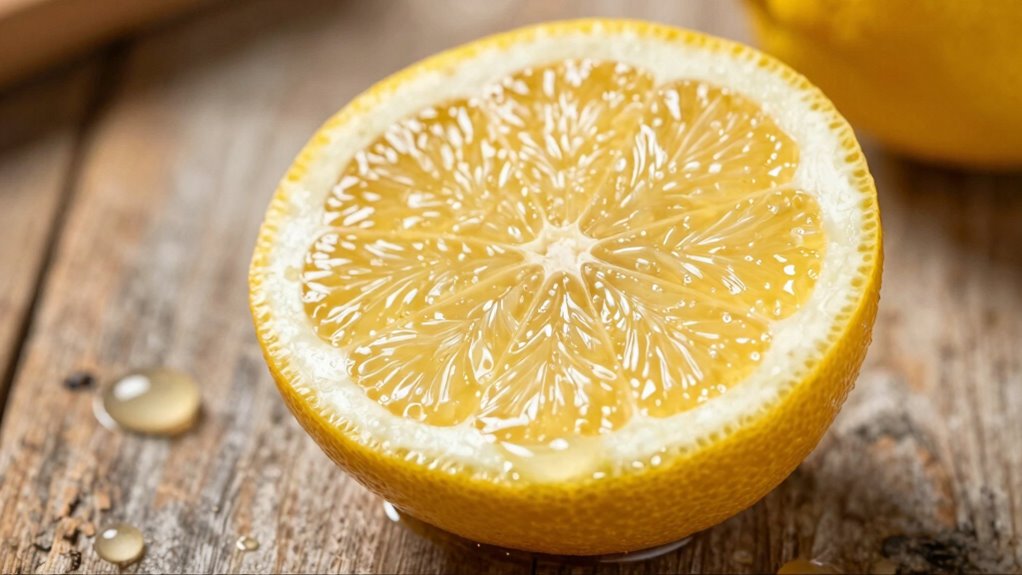
Acidity levels in baking often fluctuate more than leavening agents because they respond quickly to ingredients and environmental conditions. Unlike leavening, which generally acts over time and is more predictable, acidity can shift rapidly, affecting not just the rise but also the overall flavor profile of your baked goods. When you introduce acidic ingredients like vinegar, lemon juice, or buttermilk, you immediately alter the pH balance, which plays a vital role in flavor balance. These acids can enhance brightness and tanginess, but if not carefully managed, they can overpower other flavors or cause uneven textures. The pH stability of your batter or dough is crucial because it influences how ingredients interact and how the final product turns out. Maintaining a stable pH can be challenging because even small variations can lead to significant differences in the outcome, especially in recipes sensitive to acidity levels. pH stability is one of the main reasons acidity levels are more volatile. In baking, the pH of your batter or dough influences how ingredients interact. For example, in recipes with baking soda, the acidity impacts how much carbon dioxide is produced, which directly affects leavening. However, the pH can change quickly if you add extra acidic or alkaline components, making it difficult to maintain a consistent environment. This is why controlling acidity is essential for achieving the desired flavor and texture. A stable pH ensures your baked goods develop the right balance of flavors without becoming overly sour or flat. Because acidity is so responsive, even minor adjustments can have noticeable effects. For instance, adding a splash of citrus to a cake batter may brighten the flavor but also lower the pH, which could influence how your leavening agents work. If the pH drops too much, it might inhibit rising or cause uneven crumb structure. Conversely, if the pH isn’t acidic enough, your baked goods might lack the desired tang or depth of flavor. This delicate balance highlights why managing acidity is critical — it impacts flavor balance, ensuring that sweet, sour, and savory notes harmonize without overpowering each other. Environmental factors also play a role in acidity fluctuations. Temperature, humidity, and even the age of ingredients can alter acidity levels. For example, older buttermilk tends to be more acidic, which might change how your batter reacts during baking. You need to be aware of these conditions and adjust your ingredients accordingly to maintain consistent results. Additionally, understanding the chemical reactions involved in baking can help you better predict how acidity will behave under different circumstances. Recognizing the volatility of acidity is key because it highlights how external influences can significantly impact your baking process and final product. Furthermore, the interaction of acids and leavening agents can be complex, requiring careful balancing to optimize both texture and flavor. Unlike leavening agents, whose effects are more predictable and less sensitive to external influences, acidity can vary widely, making it a more dynamic element in baking.
As an affiliate, we earn on qualifying purchases.
Frequently Asked Questions
How Does Temperature Affect Acidity and Leavening Reactions?
Temperature influences chemical reactions by speeding up their rates, especially through thermal effects. When you increase temperature, acidity levels can change more rapidly because certain reactions, like those involving acids, become more active. Leavening reactions also accelerate, but acidity’s sensitivity to temperature variations often results in more noticeable changes. So, in cooking or baking, thermal effects impact acidity more profoundly, altering flavors and the rise process more than leavening reactions alone.
Can Ingredients’ pH Levels Influence Acidity Changes?
Yes, ingredient interactions and their pH levels can influence acidity changes. When you mix ingredients with different pH levels, it can cause shifts in acidity, impacting the overall pH stability of your dish. For example, acidic ingredients like lemon juice or vinegar can lower pH, while alkaline ones like baking soda raise it. Paying attention to these levels helps you control acidity, ensuring balanced flavors and proper reactions during cooking or baking.
What Role Do Enzymes Play in Acidity Variation?
Enzymes act like skilled artisans, shaping acidity by influencing enzyme activity and pH stability. They catalyze reactions that either produce or consume acids, causing acidity to fluctuate more dramatically. As they work, enzymes can break down compounds that alter pH levels, making acidity more sensitive to changes. Your ingredients’ pH stability depends heavily on enzyme activity, which can turn a stable environment into a lively, dynamic one.
Are There Health Impacts From Acidity Fluctuations in Baking?
Acidity fluctuations can affect your baked goods’ flavor stability and texture consistency. When acidity varies, it can cause sour or off-flavors and lead to uneven crumb structures. These changes may also impact your digestion, especially if you consume large amounts of highly acidic baked products regularly. To minimize health impacts, aim for balanced acidity levels. Properly regulated acidity ensures your baked goods taste better and remain healthier for your digestive system.
How Do Storage Conditions Alter Acidity and Leavening?
Storage conditions impact pH stability and ingredient interactions, altering acidity and leavening. If you store ingredients in warm, humid environments, acids may break down, decreasing acidity, while dry, cool storage helps maintain pH balance. Exposure to air or contaminants can cause unwanted chemical reactions, affecting leavening agents. Proper storage guarantees consistent acidity levels and reliable leavening, preserving your baked goods’ quality and texture.
acidic ingredient measuring spoons
As an affiliate, we earn on qualifying purchases.
As an affiliate, we earn on qualifying purchases.
Conclusion
As you bake, think of acidity as a lively river, constantly shifting and flowing beneath the surface, shaping every ingredient it touches. Leavening, on the other hand, is like a gentle breeze, more steady and predictable. This vivid dance of acidity’s turbulence versus leavening’s calm helps you understand why acidity changes more dramatically. Embrace these natural shifts, and you’ll master your baking, creating treats that are perfectly balanced, just like a landscape painted with vibrant, ever-changing colors.
As an affiliate, we earn on qualifying purchases.
As an affiliate, we earn on qualifying purchases.