
Gummy muffins aren’t usually undercooked but often result from baking issues, ingredient ratios, or overmixing. If they feel overly moist or sticky in the center, it’s typically a temperature problem or too much moisture—not raw batter. Overmixing develops excess gluten, making them chewy and dense. Improper flour or starch levels also impact texture. Keep these factors in mind, and you’ll discover how to fix or prevent gummy muffins easily. More tips await to help you perfect your baking.
Key Takeaways
- Gummy muffins often result from temperature issues, not underbaking, with improper oven heat affecting moisture evaporation.
- Overmixing develops excess gluten, creating a chewy, dense, and gummy crumb rather than indicating underbaking.
- Ingredient ratios, especially liquids and leavening, influence moisture content and can cause gumminess if not balanced properly.
- Flour type and starch levels impact crumb tenderness; too much starch or gluten overdevelopment leads to a gummy texture.
- Proper baking techniques, like correct temperature and minimal mixing, ensure muffins are fully cooked with a tender, airy crumb.
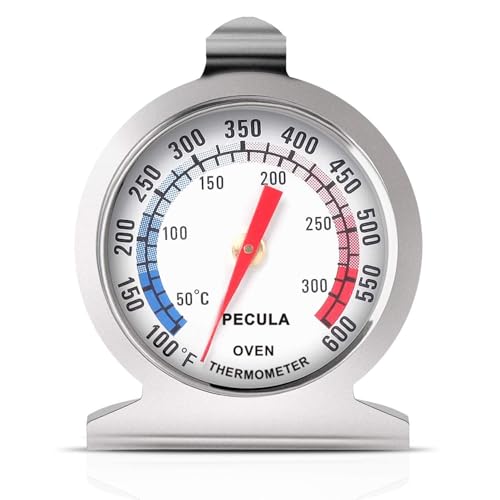
Stainless Steel Oven Thermometer 50-300°C/100-600°F, Analog Instant Read, Battery-Free Kitchen Cooking Thermometer, Hook & Stand Design Food Thermometer for Oven, Grill, Smoker, Fryer
Clear Dial Display: PECULA's analog oven thermometer delivers precise, instant readings from 50–300°C / 100–600°F. Its dial features…
As an affiliate, we earn on qualifying purchases.
As an affiliate, we earn on qualifying purchases.
Are Gummy Muffins Undercooked or Just Dense?
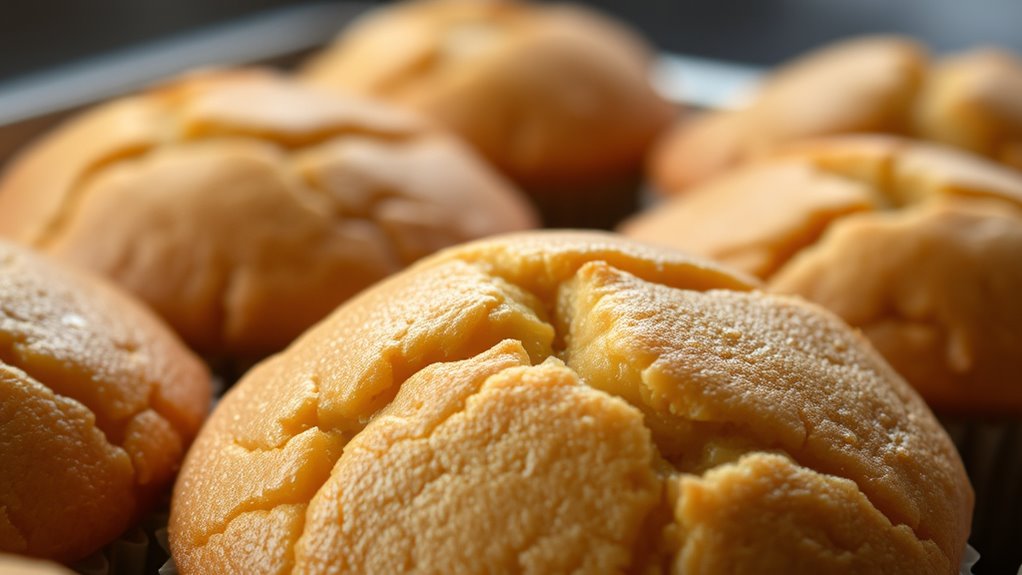
If your gummy muffins feel overly moist or gooey in the center, you might wonder if they’re undercooked or simply dense. The muffin flavor can give clues—if it lacks a rich, baked taste and feels raw, underbaking is likely. However, dense muffins often result from baking temperature issues. If your oven’s too low, the batter won’t set properly, making muffins appear underdone but actually just underbaked. Conversely, baking at too high a temperature can cause the outside to cook faster than the inside, leading to a dense texture. To determine if they’re undercooked or dense, check for a toothpick test: if it comes out wet, they need more time. Adjust your baking temperature accordingly to achieve a consistent muffin flavor and proper doneness. Understanding how baking temperature influences texture can help prevent these issues. Additionally, considering ingredient ratios can also impact the final product’s density and moisture levels.

Wilton Cupcake Mixing Spoon Set 2: Dough Spoon, Always the amount of dough for standard and mini cupcakes and muffins, dishwasher safe, pack of 2
Get just the right amount of dough every time with these easy to use spoons
As an affiliate, we earn on qualifying purchases.
As an affiliate, we earn on qualifying purchases.
Why Do Muffins Turn Out Gummy or Dense?
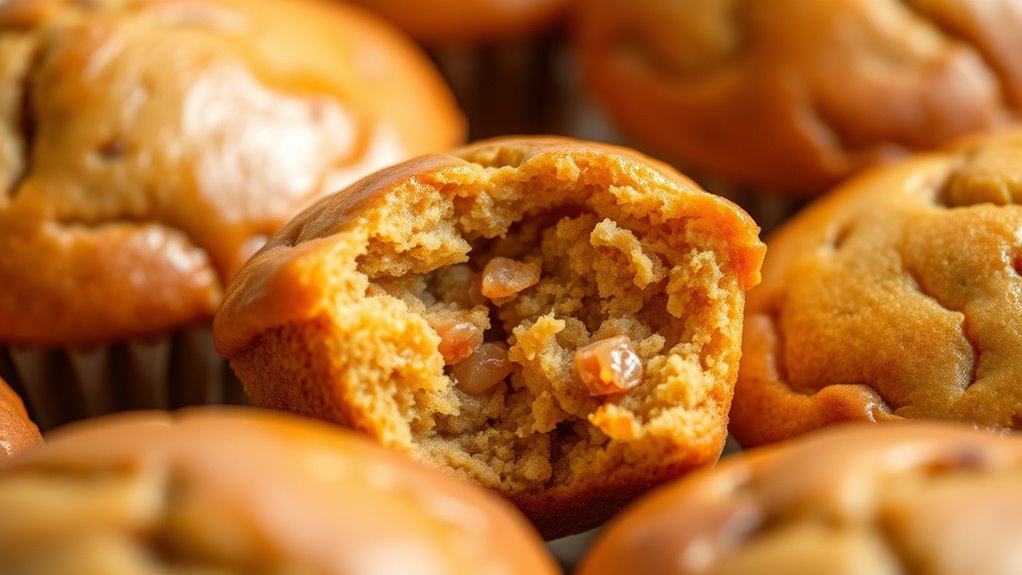
Gummy or dense muffins often result from common baking mistakes or ingredient issues. One key factor is baking temperature; baking at too low a temperature can prevent proper moisture evaporation, leading to a gummy texture that affects muffin flavor. Conversely, baking at too high a temperature might cause uneven cooking, leaving the interior dense and gummy. Overmixing the batter can also develop excess gluten, making muffins heavy and chewy. Additionally, using too much liquid or not enough leavening can contribute to a dense, gummy consistency. To avoid this, ensure your oven temperature is accurate, mix just until ingredients are combined, and follow your recipe’s liquid-to-dry ingredient ratios. Proper technique and temperature control are essential for achieving the desired muffin texture. Temperature accuracy plays a crucial role in ensuring muffins turn out light and fluffy rather than gummy. Paying attention to ingredient ratios can also prevent undesirable textures. Moreover, baking time is critical; underbaking can leave muffins moist and gummy inside, while overbaking can dry them out. Ensuring proper oven calibration will help maintain consistent baking results and prevent gummy muffins. Proper support during baking, such as using the right baking pans, can also influence heat distribution and muffin texture.

Wilton Gold Non-Stick Bakeware Muffin Pan – Baking Pan for Muffins & Cupcakes – Made Without PFAS, Dent Resistant & Dishwasher Friendly – Offers Even Heat Distribution – 10.5 x 15 x 2 Inches, 12 Cup
Reliable Muffin Essential: The Wilton Gold Non-Stick Bakeware Muffin Pan is a home bakery pan for baking cupcakes,…
As an affiliate, we earn on qualifying purchases.
As an affiliate, we earn on qualifying purchases.
How Do Flour and Starch Affect Muffin Texture?
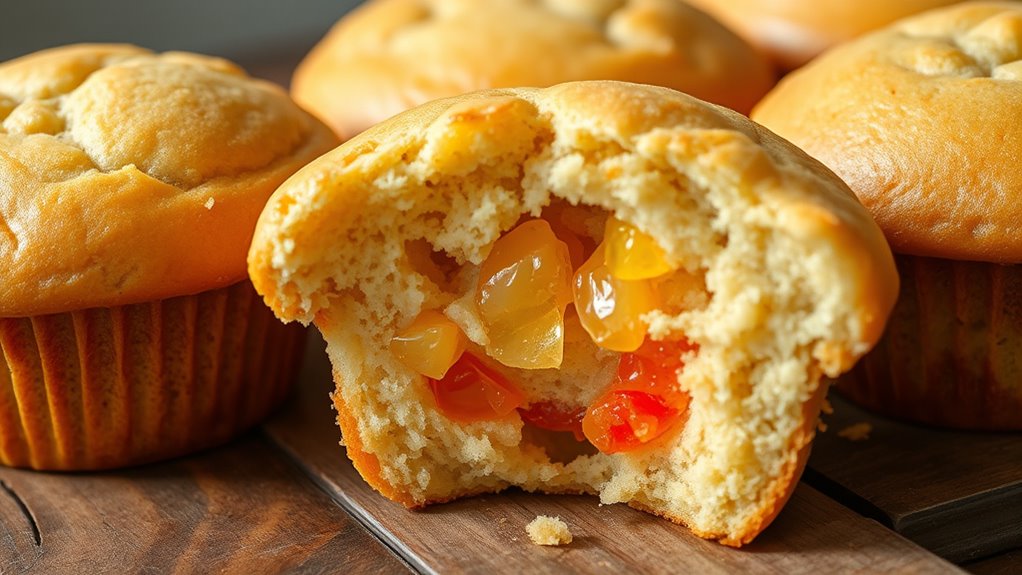
The type of flour you use can considerably change your muffin’s texture; for example, bread flour creates a chewier crumb, while cake flour results in a softer one. Starch content also plays a role, as higher starch levels can make muffins more tender or, if excessive, lead to a gummy feel. Understanding these ingredients helps you control whether your muffins turn out light and fluffy or dense and gummy. Additionally, selecting the right best flour type for your desired texture can make all the difference in your baking results. Using the appropriate flour protein content can further influence the structure and moisture retention of your muffins. Being aware of the starch levels in your ingredients allows for better adjustments to achieve the perfect muffin consistency. For optimal results, it’s essential to consider how ingredient ratios impact the overall texture and mouthfeel of your baked goods. Incorporating knowledge of market trends can also guide you toward selecting ingredients that align with current baking preferences and innovations.
Role of Flour Types
Choosing the right type of flour is essential for achieving the desired muffin texture, as different flours and starches influence how the batter develops and bakes. For example, all-purpose flour provides balanced gluten development, creating a sturdy yet tender crumb. Cake flour has lower protein content, resulting in a softer, more delicate muffin. Whole wheat flour adds density and a nutty flavor, while bread flour promotes more gluten, making muffins chewier. The choice impacts not only texture but also flavor enhancement. When selecting flour, consider how it interacts with starches to produce the right crumb. Using the appropriate flour type helps you avoid gummy muffins and ensures a light, moist interior with a pleasing structure. Your selection ultimately shapes the muffin’s mouthfeel and taste. **Understanding the role of gluten development** can further help in tailoring muffins to your preferred texture. Additionally, starch interactions play a critical role in achieving the desired crumb and moisture levels.
Impact of Starch Content
Have you ever wondered how starch content influences muffin texture? When flour contains more starch, it undergoes starch gelatinization during baking, which thickens the batter and creates a softer, more moist crumb. Starch gelatinization occurs as heat causes starch granules to swell and absorb liquid, modifying the muffin’s structure. Higher starch levels can lead to a gummy or dense texture if not balanced, because excessive gelatinization traps moisture and hampers proper crumb development. Conversely, reducing starch can produce a lighter, airier muffin. The key is balancing starch content to achieve the desired texture, where starch contributes to texture modification without overwhelming the muffin’s structure. Understanding this process helps you craft muffins that are tender, moist, and perfectly baked. starch gelatinization is a crucial process that influences the final crumb quality of baked goods, especially when considering the starch-to-flour ratio in your recipe.
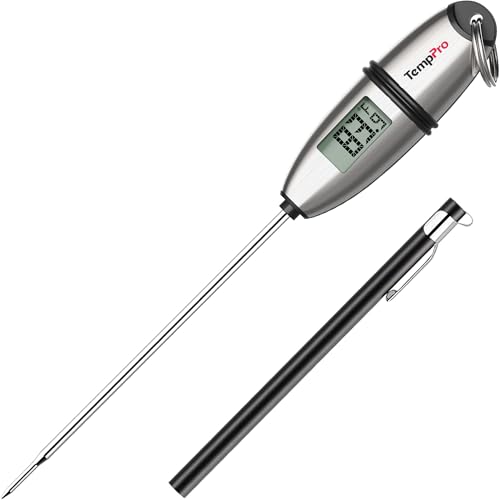
TempPro TP02S Digital Food Thermometer for Cooking Bread Baking Sourdough Liquids, Meat Thermometer Digital with Super Long Probe for Kitchen Candy Making Gift for Dad Husband (Previously ThermoPro)
Fast and Accurate Reading: Kitchen thermometer for cooking features a 1 second readout speed and high accuracy of…
As an affiliate, we earn on qualifying purchases.
As an affiliate, we earn on qualifying purchases.
Does Overmixing Make Muffins Gummy or Dense?
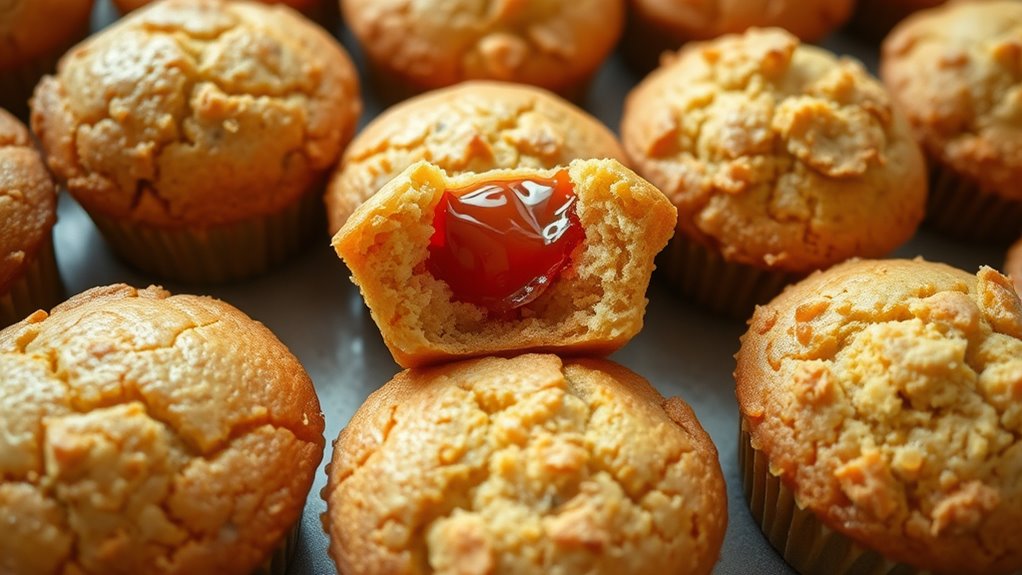
Overmixing your muffin batter can lead to a gummy or dense texture that’s less than ideal. When you stir too much, it develops gluten and traps air, resulting in heavy muffins. Keep mixing just until the ingredients are combined to avoid these issues. Proper mixing techniques are essential to achieve the desired baking consistency and optimal results.
Overmixing Causes Gummy Texture
When you mix muffin batter too much, the gluten in the flour develops excessively, leading to a gummy or dense texture. This overmixing can also affect the muffin’s flavor, making it less tender and more rubbery. To avoid this, consider these points:
- Overmixing creates a tough crumb, which can mask subtle muffin flavors.
- It can cause the batter to become overly elastic, trapping excess moisture.
- The baking temperature may not compensate for the dense texture, resulting in uneven cooking or a gummy finish.
- Understanding vetted lifestyle products can help you select the best tools and ingredients to improve your baking results.
- Proper mixing techniques are essential for optimal muffin texture and overall quality.
- Utilizing effective mixing methods can significantly reduce the risk of overworking your batter and ensure a tender muffin crumb.
- Paying attention to mixing time can help prevent overworking the batter and achieve consistent results.
- Recognizing the importance of proper ingredient ratios can also contribute to avoiding a gummy muffin.
Dense Muffins From Excess Mixing
Mixing muffin batter too much not only makes the texture gummy but also leads to muffins that are overly dense. Excess mixing develops gluten, which weighs down the batter, preventing proper muffin rise. This results in dense, heavy muffins with less airy structure. Overmixing also hampers flavor development because the batter’s ingredients don’t blend gently, reducing the chance for nuanced taste. To prevent this, mix just until ingredients are combined.
| Effect of Excess Mixing | Impact on Muffin Quality |
|---|---|
| Gluten Overdevelopment | Dense, heavy muffins |
| Reduced Muffin Rise | Less airy texture |
| Poor Flavor Development | Bland taste |
| Texture Gummy | Unpleasant chewiness |
How Do Moisture and Ratios Affect Muffin Texture?

Have you ever wondered how the moisture content and ingredient ratios influence the texture of your muffins? The moisture balance is key—too much moisture can make muffins gummy, while too little results in dryness. Ingredient ratios determine how ingredients interact, affecting the final feel. For example:
- A higher liquid-to-flour ratio creates a moister, softer crumb.
- Excess sugar or fat can make muffins tender but may also cause gummy textures if not balanced.
- Too little fat or liquid causes dry, crumbly muffins.
- Proper baking techniques ensure even distribution of moisture and ingredients, helping to prevent gummy textures.
Understanding how moisture and ratios work together helps you strike the perfect balance, avoiding gummy or dense muffins. Adjusting these elements guarantees your muffins have the desired lightness, moistness, and structure, leading to better baking results every time.
Which Baking Techniques Help You Make Perfect Muffins?
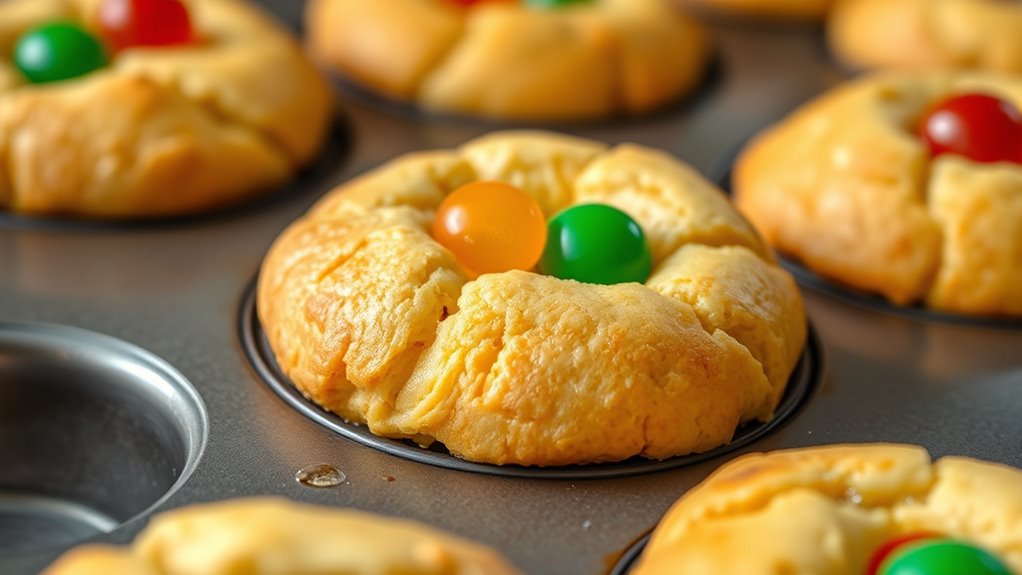
Mastering the right baking techniques can make all the difference in achieving perfect muffins. First, pay attention to your baking temperature; baking at the correct heat guarantees even rising and prevents gummy textures. Too high, and the outside burns before the inside cooks; too low, and muffins may turn out dense or underdone. Next, use fresh ingredients—especially baking powder and baking soda—to promote proper leavening and rise. Mix your batter just until combined to avoid overworking the gluten, which can lead to toughness. Gently fold in ingredients to maintain air pockets for a light crumb. Preheat your oven thoroughly, and avoid opening the door during baking. These techniques, combined with fresh ingredients and proper temperature control, will help you produce consistently perfect muffins.
How Can You Tell When Muffins Are Fully Baked?
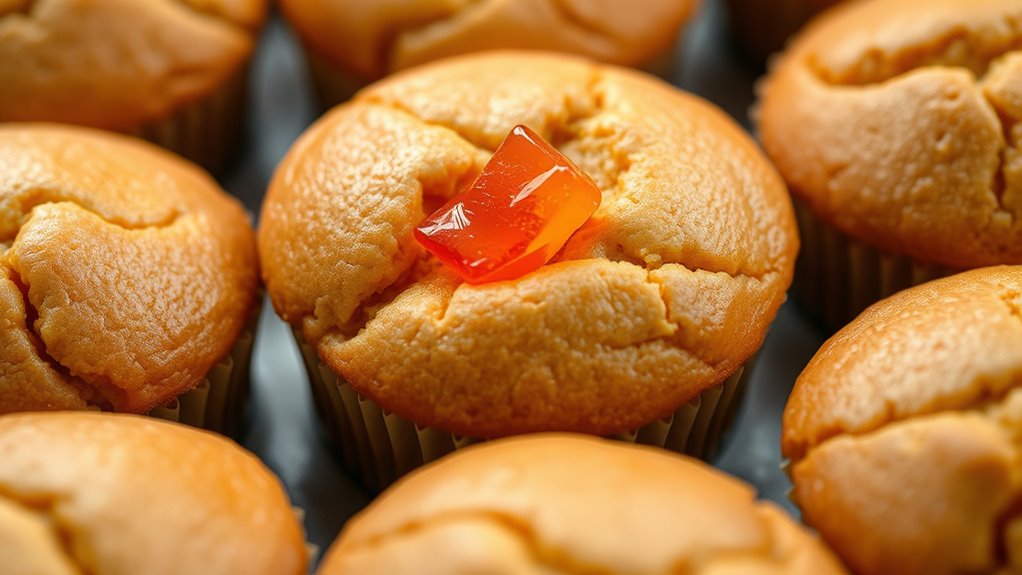
Wondering how to tell when your muffins are fully baked? You can check a few key signs. First, insert a toothpick into the center—if it comes out clean, they’re done. Second, lightly tap the top; if it springs back, it’s ready. Third, look for a golden-brown crust, indicating proper baking. Once baked, store muffins properly to maintain freshness, whether you’ve got classic or flavor variations. Proper muffin storage prevents them from becoming gummy or stale, especially if you plan to enjoy different flavors later. Keep muffins in an airtight container at room temperature for short-term storage or freeze for longer periods. Knowing these cues ensures your muffins are perfectly baked and delicious, avoiding the gummy texture that sometimes appears when they’re underdone.
How Can You Prevent or Fix Gummy Muffins?
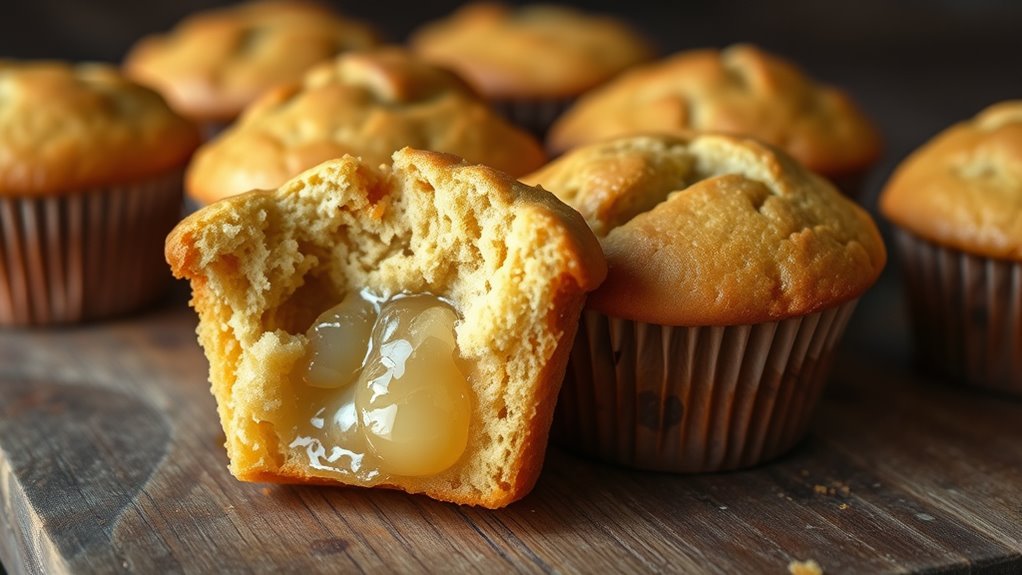
To prevent or fix gummy muffins, start by adjusting your baking techniques. First, make certain your baking equipment heats evenly; uneven heat can cause undercooked centers. Use a calibrated oven thermometer to verify temperature accuracy. Next, modify your muffin batter: avoid overmixing, which can create a dense, gummy texture, affecting muffin flavor. Also, consider baking at a slightly higher temperature for a shorter time to set the crumb properly.
| Issue | Solution | Notes |
|---|---|---|
| Gummy texture | Increase baking temperature | Prevents undercooking |
| Poor muffin flavor | Use fresh ingredients | Enhances flavor |
| Uneven baking | Use quality baking equipment | Ensures consistent results |
| Overmixing batter | Mix until just combined | Maintains light texture |
| Undercooked centers | Check muffins with a toothpick | Avoid gummy middles |
Frequently Asked Questions
Can You Freeze Gummy Muffins Without Affecting Texture?
Yes, you can freeze gummy muffins without affecting their texture if you use proper freezing methods. To preserve their chewy consistency, wrap each muffin tightly in plastic wrap or foil, then place them in an airtight container. This prevents freezer burn and moisture loss. When you’re ready to enjoy them, thaw at room temperature or gently reheat. Proper freezing methods guarantee your gummy muffins stay fresh and maintain their original texture.
Are Certain Ingredients More Likely to Cause Gummy Muffins?
Certain ingredients can make your muffins gummy if they’re of lower quality or if you don’t mix properly. Using fresh, high-quality ingredients helps prevent excess moisture that causes gumminess. Additionally, mixing techniques matter; overmixing develops gluten, leading to a dense, gummy texture. Be gentle when combining wet and dry ingredients, and choose good-quality ingredients to make certain light, fluffy muffins rather than gummy ones.
Does Oven Temperature Influence Muffin Density and Gumminess?
Yes, oven temperature substantially influences muffin density and gumminess. If you set the oven too low, the muffins may stay dense and gummy because they don’t bake evenly. Conversely, baking at the right temperature ensures proper rising and moisture evaporation, resulting in light, fluffy muffins. Always preheat your oven and follow the recommended temperature for best results, preventing gumminess caused by underbaking or uneven heat.
How Does Altitude Affect Muffin Baking and Texture?
Baking at high altitude is like trying to hit a moving target—you need to make adjustments. High altitude causes baked goods to rise faster and then collapse, affecting muffin texture. To prevent gummy muffins, you should increase flour, reduce sugar, and adjust liquids. These baking adjustments help maintain proper structure and moisture, ensuring your muffins stay light and fluffy rather than dense or gummy.
Are There Specific Flavor Combinations That Increase Gumminess Risk?
Certain flavor pairings, like adding extra fruit or gelatin, can increase gumminess risk in muffins. These ingredients may enhance moisture and create a chewy, gummy texture if overused. To prevent this, focus on flavor combinations that complement the muffin’s structure, such as citrus with vanilla or berries with almond. Proper balance ensures your muffins stay tender and flavorful, preventing unintended gumminess while still achieving a satisfying texture enhancement.
Conclusion
Think of your muffins as tiny vessels carrying your baking hopes. When they turn out gummy, it’s not a sign of failure but a sign to adjust your ingredients and techniques—like tuning an instrument. With patience and proper care, you’ll craft muffins that shine like a lighthouse guiding the way to perfect baking. Embrace the journey, and soon your muffins will symbolize not just dessert, but your skill and passion shining brightly through every bite.