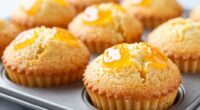
If your cake turns out dense and heavy, the hidden problem is usually a lack of trapped air in the batter. You might not be mixing properly, overmixing, or using ingredients that don’t help create enough bubbles. Ensuring ingredients are at room temperature, sifting dry goods, and gently folding in air can make a big difference. Keep going, and you’ll discover effective tips to lift your baking game and achieve that perfect light, fluffy texture.

Get baking supplies delivered free with Prime
- Fast, free delivery on millions of items
- Prime Video, Amazon Music and more included
- Member-only deals all year
Key Takeaways
- Insufficient or improperly incorporated air during mixing leads to dense, heavy cakes.
- Overmixing can deflate batter, releasing trapped air and resulting in a denser texture.
- Cold ingredients hinder proper aeration and air trapping in batter.
- Skipping or improper use of leavening agents reduces the formation of air bubbles.
- Poor ingredient measurement and mixing techniques prevent optimal aeration, causing density.
cake mixing bowls with measurements
As an affiliate, we earn on qualifying purchases.
As an affiliate, we earn on qualifying purchases.
Why Air Is Essential for Light, Fluffy Cakes
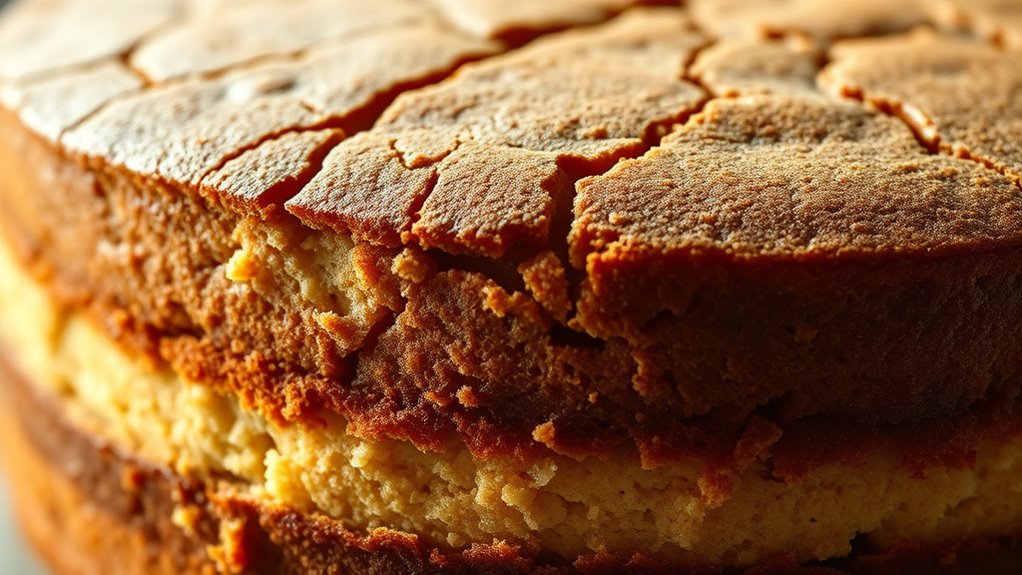
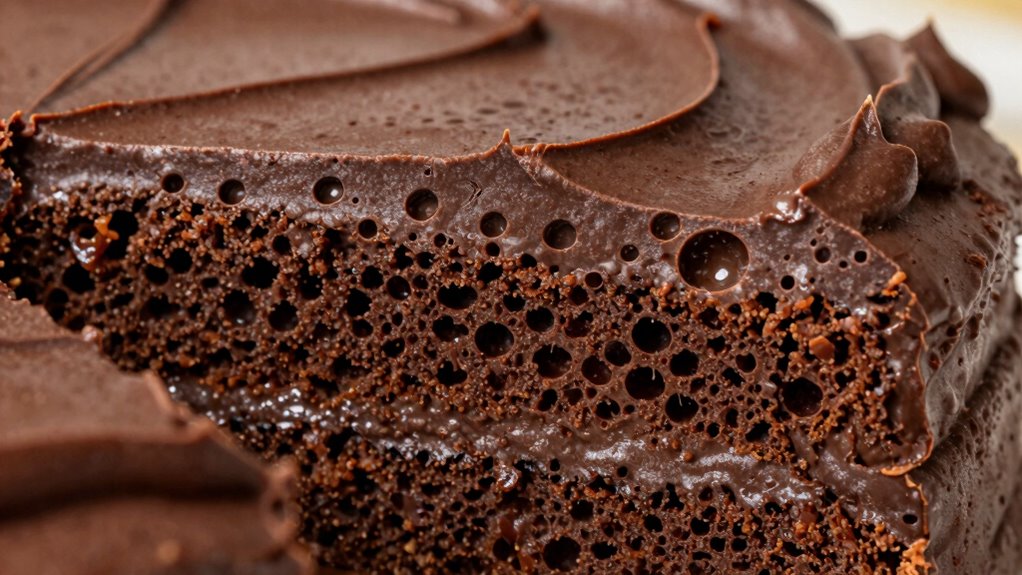
Air is essential for creating the light, fluffy texture that makes cakes so appealing. When you incorporate eggs into your batter, you’re adding structure and stability, but it’s the process of egg incorporation that helps trap air, giving your cake lift. Sugar creaming is another critical step; as you beat butter and sugar together, tiny air bubbles form, making the mixture airy and smooth. This trapped air expands during baking, helping the cake rise evenly. Without these steps, your batter will lack the necessary air pockets to produce a tender, fluffy crumb. Proper egg incorporation and sugar creaming are the foundation of a well-aerated batter, ensuring your cake isn’t dense but delightfully light and airy. Understanding aeration is key to mastering cake texture and achieving bakery-quality results.
As an affiliate, we earn on qualifying purchases.
What Causes Your Batter to Lack Enough Air?

Have you ever wondered why your batter turns out dense instead of light and airy? The culprit often lies in batter consistency and ingredient substitutions. When your batter isn’t properly mixed or the ingredients aren’t measured accurately, it can prevent proper air incorporation. Using substitutions like applesauce or yogurt instead of butter or oil can alter the batter’s ability to trap air, making it denser. Overmixing can also deflate the batter, reducing its fluffiness. Additionally, adding cold ingredients or skipping leavening agents can hinder air formation. To avoid this, guarantee your batter is just combined, use accurate measurements, and stick to recommended ingredients. Proper technique and ingredient choices are key to keeping your batter aerated and your cake light. Being aware of batter consistency can help you identify issues early and achieve a fluffy texture. Ensuring your ingredients are at room temperature can also facilitate better air incorporation, leading to a lighter batter. Furthermore, understanding how electric dirt bikes generate power can serve as a fun analogy for the importance of proper air and energy flow in baking. Maintaining proper mixing speed is essential to prevent deflation and maintain optimal air retention in your batter.
As an affiliate, we earn on qualifying purchases.
Simple Techniques to Add and Trap Air in Your Batter

Properly incorporating air into your batter starts with simple techniques that anyone can master. The key lies in effective mixing techniques and careful ingredient selection. Use a gentle folding method to trap air without deflating the batter, and avoid overmixing, which can release trapped air. Incorporate ingredients like baking powder or baking soda to help create bubbles during baking. Consider sifting dry ingredients to aerate them before mixing. [Understanding the air retention properties] of ingredients can help you maintain a lighter batter. Here’s a quick reference:
| Technique | Purpose | Tip |
|---|---|---|
| Folding | Traps air gently | Use a spatula, fold carefully |
| Sifting Ingredients | Aerates dry components | Sift before mixing |
| Using Leaveners | Creates bubbles during baking | Add at the right stage |
| Ingredient Selection | Enhances aeration | Choose light, airy ingredients |
As an affiliate, we earn on qualifying purchases.
How to Prevent Dense Cakes With Better Baking Habits
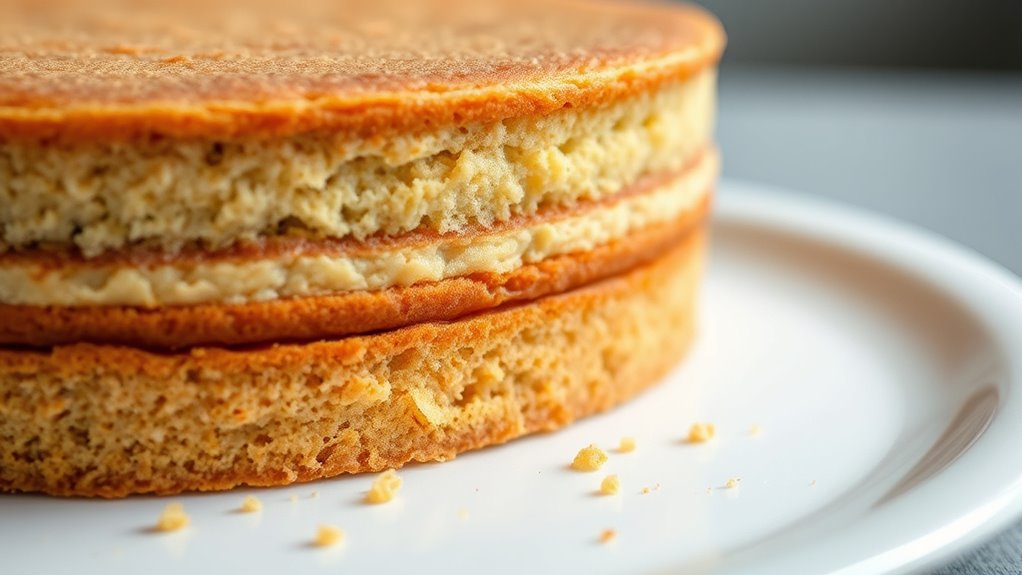
To prevent dense cakes, adopting better baking habits is essential. First, make sure you properly cream your butter and sugar to incorporate air, which improves cake fluffiness. Use the right cake flavor for your recipe, as heavy or overly moist ingredients can weigh down the batter. Consider ingredient substitutions that add lightness, like swapping oil for applesauce or using cake flour instead of all-purpose flour.
You can also:
- Sift dry ingredients to evenly distribute leavening and remove lumps
- Avoid overmixing after adding flour, to prevent deflating trapped air
- Measure ingredients accurately to maintain proper batter consistency
Troubleshoot and Fix Dense Cakes Effectively
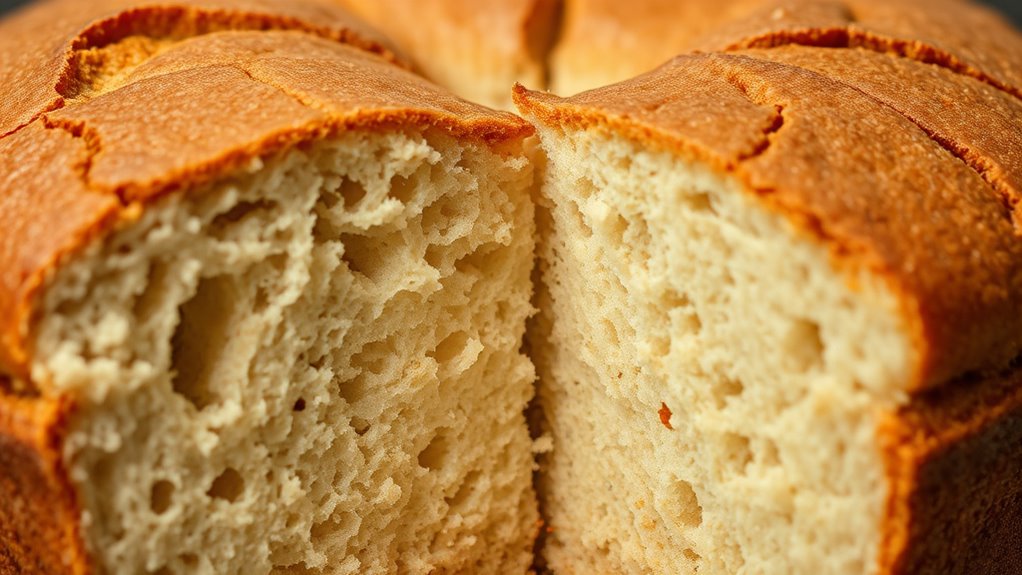
When your cake turns out dense despite your best efforts, pinpointing the issue is essential for fixing it effectively. First, check your cream incorporation—overmixing can deflate the batter and reduce air pockets, leading to a dense texture. To avoid this, gently fold ingredients together rather than vigorously mixing. Next, examine your ingredient temperature; cold ingredients can hinder proper mixing and trap less air, resulting in a heavier cake. Ensure butter, eggs, and liquids are at room temperature before mixing. If your batter feels dense, consider lightly aerating it again or adjusting your mixing technique. Proper cream incorporation and maintaining the right ingredient temperature are key to producing a lighter, fluffier cake. Additionally, understanding the role of air in baking can help you troubleshoot and improve your results. Knowing how to trap air effectively during mixing can make a significant difference in your outcomes. Small adjustments, such as proper mixing techniques, can make a significant difference in your outcomes. Recognizing how ingredient temperature impacts air retention can help prevent unwanted density in your baked goods.
Frequently Asked Questions
Can Using Different Types of Flour Affect Cake Density?
Using different types of flour can definitely affect your cake’s density. Alternative flour types, like almond or rice flour, often have lower gluten content, which can make your cake denser or more crumbly. On the other hand, wheat flours with higher gluten help create a lighter, airy texture. So, choose your flour based on the desired texture, and adjust your recipe accordingly to avoid dense cakes.
How Does Altitude Influence Air Incorporation in Baking?
At higher altitudes, air incorporation in baking becomes trickier due to lower air pressure, which affects batter aeration techniques. You need to modify your method to improve air bubble formation, like decreasing sugar and increasing liquid. Use gentle mixing to preserve bubbles, and consider additional leavening agents. These adjustments help guarantee your batter aerates properly, preventing dense cakes and giving you the light, fluffy texture you want.
Does Refrigeration Impact the Amount of Air in Cake Batter?
Refrigeration effects can increase batter density, which may reduce the amount of air incorporated during mixing. When you chill cake batter, the fats solidify, making it harder to trap air efficiently. As a result, your cake might turn out denser and less airy. To maintain good aeration, avoid over-refrigerating your batter and let it come to room temperature before baking, ensuring ideal air incorporation and a lighter texture.
Are There Specific Tools That Help Incorporate More Air?
Think of your tools as magic wands for airy cakes. You can use a whisk attachment on your mixer to whip air into your batter quickly and efficiently, like a tornado swirling through. Additionally, employing a gentle spatula technique helps fold in air without deflating it. These tools and methods work together to boost your batter’s rise, ensuring a light, fluffy cake every time.
How Do Ingredient Temperatures Affect Air Retention During Baking?
Your ingredient temperature greatly impacts batter aeration and air retention during baking. If your ingredients are too cold, the batter becomes dense, trapping less air and resulting in a heavy cake. Conversely, room temperature ingredients allow for better aeration, creating a light, fluffy texture. Always guarantee your butter, eggs, and liquids are at the right temperature to maximize air retention and achieve the perfect rise in your cake.
Conclusion
Now that you know the secrets to perfect, airy cakes, you’re armed with the power to dodge dense disasters every time you bake. Remember, a little extra care and technique turn your batter into a cloud of fluff that could make even the heaviest ingredients jealous. With these tips, your cakes will rise like a skyscraper, leaving everyone in awe. So go ahead—bake confidently and conquer the world, one perfectly light cake at a time!
Fall Picks
fall essentials
As an affiliate, we earn on qualifying purchases.