
TL;DR
Play games included with Prime
Start a Prime free trial and play with Amazon Luna on your devices.
Start playingAs an affiliate, we earn on qualifying purchases.
Salmorejo, a classic Andalusian cold tomato soup, is experiencing a surge in international popularity. Chefs and food critics highlight its rich flavor and cultural roots, marking a notable development in Spanish cuisine’s global reach.
Salmorejo, a traditional Spanish cold tomato soup originating from Andalusia, is gaining increasing recognition internationally, driven by recent media coverage and culinary festivals. This development highlights the growing global appreciation for regional Spanish cuisine and marks a significant moment for this iconic dish, which has historically been a staple in southern Spain.
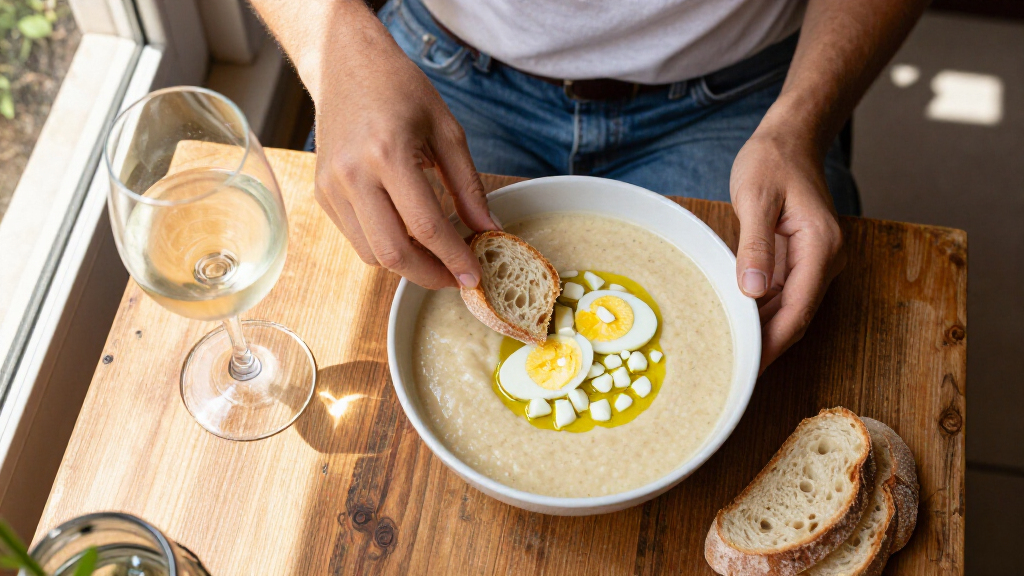
Salmorejo is a thick, creamy soup made primarily from ripe tomatoes, bread, olive oil, garlic, and vinegar, traditionally served chilled with toppings such as hard-boiled eggs and jamón ibérico. It has been a beloved dish in Andalusia for centuries, particularly in Seville, where it is a staple during the hot summer months.
In recent months, international chefs and food critics have increasingly featured salmorejo in their menus and media outlets. Notably, the dish was showcased at the Madrid Fusion culinary festival in early 2023, attracting widespread attention. Several food magazines and online platforms have also highlighted its cultural significance and unique flavor profile, often comparing it favorably to gazpacho, another popular Spanish cold soup.
According to Spanish culinary experts, the surge in popularity is partly due to the dish’s simplicity, fresh ingredients, and adaptability for modern dietary preferences. Some chefs are experimenting with variations, such as adding different herbs or using gluten-free bread, to cater to international audiences. Despite these adaptations, traditional salmorejo remains largely unchanged in its core ingredients and preparation methods.
Food tourism experts note that this increased recognition could boost regional tourism in Andalusia, similar to the recent rise in popularity of other Spanish dishes like paella and tapas. The dish’s international exposure is also expected to encourage more Spanish restaurants abroad to include salmorejo on their menus.
Global Recognition Elevates Salmorejo’s Cultural Status
The rising international popularity of salmorejo signifies a broader recognition of regional Spanish cuisines on the global stage. This trend can enhance cultural understanding and promote culinary tourism to Andalusia, potentially benefiting local economies. Additionally, it underscores the growing global appetite for authentic, regional dishes that emphasize fresh, local ingredients.
For Spanish culinary heritage, this recognition affirms the importance of preserving traditional recipes while encouraging innovation. It also positions salmorejo as a symbol of Andalusian identity, contributing to Spain’s reputation as a diverse culinary destination. The trend may inspire chefs worldwide to explore and incorporate more regional Spanish dishes into their menus, fostering culinary diversity.
Salmorejo traditional Spanish soup kit
As an affiliate, we earn on qualifying purchases.
As an affiliate, we earn on qualifying purchases.
Salmorejo’s Historical and Culinary Roots in Andalusia
Salmorejo has been a part of Andalusian cuisine for centuries, with origins dating back to the Moorish period. Historically, it was a humble dish made with simple, locally available ingredients, designed to provide relief during the region’s hot summers. Over time, it evolved into a refined dish served in households and taverns across Seville and surrounding areas.
Traditionally, salmorejo is prepared by blending ripe tomatoes, stale bread, garlic, olive oil, and vinegar until smooth, then chilled before serving. It is typically garnished with chopped hard-boiled eggs and jamón ibérico, adding richness and texture. Its popularity has persisted through generations, maintaining its cultural significance in Andalusian society.
In recent decades, salmorejo has gained recognition beyond Spain through food festivals, culinary competitions, and the efforts of chefs passionate about regional cuisine. The dish’s recent surge in international media coverage has helped elevate its profile, positioning it as a must-try dish for visitors to Andalusia and culinary enthusiasts worldwide.
“What makes salmorejo stand out is its creamy texture and the way it captures the essence of Andalusian ingredients. Its growing popularity abroad is a testament to its universal appeal.”
— Food critic Javier Ruiz
As an affiliate, we earn on qualifying purchases.
Unconfirmed Future Trends and Potential Challenges
While salmorejo’s popularity is increasing, it is not yet clear how sustained this trend will be or whether it will lead to significant changes in traditional recipes. Some culinary purists may resist adaptations or commercialization that could alter its authenticity. Additionally, the impact on local producers and tourism remains to be fully assessed, and there is ongoing debate about how regional dishes should evolve in global markets.
As an affiliate, we earn on qualifying purchases.
Upcoming Events and Opportunities for Salmorejo Promotion
In the coming months, more international food festivals and culinary competitions are expected to feature salmorejo, further boosting its visibility. Spanish tourism authorities are also planning to promote regional dishes more actively as part of cultural tourism campaigns. Additionally, some Spanish restaurants abroad are preparing to introduce authentic salmorejo to their menus, aiming to capitalize on its rising popularity.
Researchers and culinary historians will continue to document and analyze the dish’s evolution, while local chefs work to maintain its traditional integrity amidst growing global interest. The next major milestone will likely be the inclusion of salmorejo in international culinary guides and travel itineraries.
As an affiliate, we earn on qualifying purchases.
Key Questions
What are the main ingredients of salmorejo?
The primary ingredients are ripe tomatoes, stale bread, olive oil, garlic, and vinegar. It is typically garnished with chopped hard-boiled eggs and jamón ibérico.
How is salmorejo different from gazpacho?
Salmorejo is thicker and creamier, made primarily from bread and tomatoes, while gazpacho is a thinner, more liquid soup with a broader vegetable mix. Salmorejo is usually served with eggs and ham, whereas gazpacho often includes cucumbers and peppers.
Is salmorejo suitable for vegetarian diets?
Yes, traditional salmorejo is vegetarian, but it is often served with jamón ibérico, which is not vegetarian. Omitting the ham makes it suitable for vegetarians.
Can salmorejo be made gluten-free?
Yes, by using gluten-free bread or bread substitutes, salmorejo can be adapted for gluten-free diets while maintaining its traditional flavor and texture.
Where can I try authentic salmorejo outside Spain?
Many Spanish restaurants in major cities worldwide now serve salmorejo, especially those specializing in regional Spanish cuisine. It is also increasingly available in international food festivals and specialty food markets.
Source: rss
Fall yard work Picks
leaf blowers
As an affiliate, we earn on qualifying purchases.