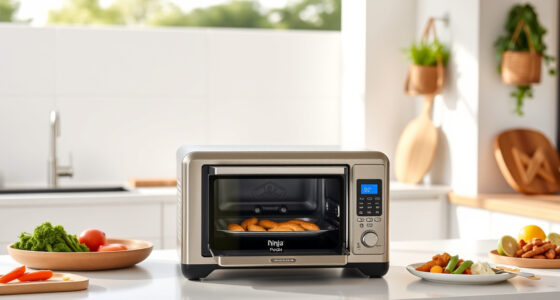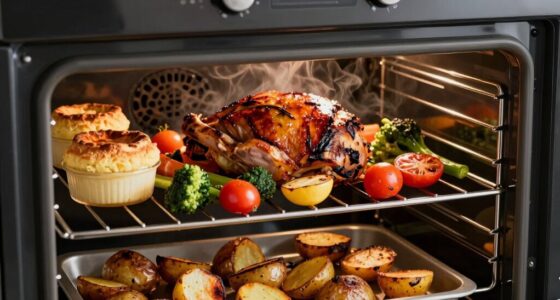

To think like an oven, you need to work with heat rather than against it. Understand how heat flows through convection, radiation, and conduction, and use this to your advantage. Reposition racks or rotate trays for even cooking, and choose the right cookware to improve heat transfer. Be mindful of preheating and door openings to conserve energy and prevent temperature drops. Keep exploring these principles, and you’ll discover smarter ways to control heat and improve your cooking outcomes.

Get baking supplies delivered free — and shop member deals
- Fast, free delivery on millions of items
- Access to Prime Big Deal Days deals on October 6–7
- Prime Video, Amazon Music and more included
Key Takeaways
- Understand heat flow (convection, radiation, conduction) to work with rather than against the oven’s natural processes.
- Reposition racks and rotate trays to promote even heat distribution and prevent hot spots.
- Use proper cookware and insulation to enhance heat transfer and maintain consistent temperatures.
- Preheat only as needed to avoid unnecessary energy waste and ensure optimal cooking conditions.
- Adjust cooking techniques based on heat behavior instead of fighting temperature fluctuations.
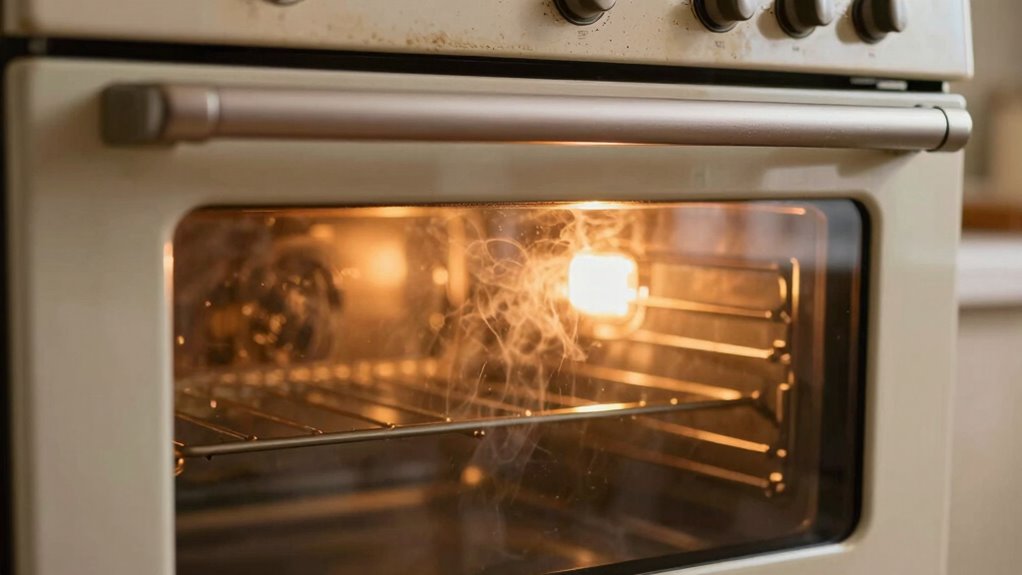
Have you ever wondered how an oven manages to produce perfectly cooked dishes every time? It’s not just about heat; it’s about how the oven intelligently manages energy efficiency and heat distribution. When you think like an oven, you realize that its success lies in balancing these two factors seamlessly. Instead of fighting against the heat, you learn to work with it, understanding the mechanics behind its operation. This shift in perspective allows you to optimize your cooking, guaranteeing that every meal turns out just right.
Ovens are designed to maximize energy efficiency by carefully controlling how much heat they generate and retain. Instead of constantly running at full blast, they use insulation and precise temperature controls to minimize energy waste. When you adopt this mindset, you start to see your own cooking habits differently. For example, preheating an oven for too long wastes energy, and opening the door repeatedly releases heat, causing uneven cooking. By being mindful of how you use your heat source, you’re practically mimicking the oven’s efficiency. You become more aware of how to conserve energy and maintain consistent temperatures, which results in better-cooked food and less energy consumption.
Heat distribution is another critical aspect. An oven distributes heat evenly through convection, radiation, and conduction, preventing hot spots that can ruin a dish. When you think like an oven, you recognize that uniform heat is essential for perfect results. You adjust your cooking techniques accordingly—rotating trays, using proper cookware, or even repositioning racks—to achieve consistent heat flow. This approach ensures that every part of your dish receives the right amount of heat, avoiding undercooked or burnt edges. Recognizing the importance of heat distribution helps you achieve consistent results every time. Additionally, understanding how energy efficiency impacts your cooking can lead to more sustainable practices in your kitchen. Moreover, being aware of heat transfer allows you to better control the cooking process and prevent overcooking. Incorporating these principles can also assist in designing smarter cloud server solutions that optimize resource allocation, much like an oven manages heat for optimal performance. Recognizing how heat management works can inspire new ways to improve efficiency in various systems beyond the kitchen.
As an affiliate, we earn on qualifying purchases.
Frequently Asked Questions
How Can I Improve My Patience When “Cooking” Through Challenges?
You can improve patience by practicing kitchen mindfulness, staying present with each step, and accepting challenges as part of the process. Embrace recipe resilience—view setbacks as opportunities to learn rather than failures. When frustration arises, take a deep breath, pause, and reflect. This mindset helps you stay calm, adapt, and enjoy the journey, turning cooking challenges into valuable lessons that strengthen your patience over time.
What Mindset Shifts Help in “Warming Up” to Difficult Situations?
To warm up to difficult situations, you need to develop mindset flexibility and emotional resilience. Embrace challenges as opportunities for growth rather than obstacles. Accept that discomfort is temporary and focus on staying calm and adaptable. By shifting your perspective, you’ll see setbacks as learning moments, which helps you remain centered and open-minded. This approach transforms resistance into acceptance, making it easier to navigate tough times with patience and confidence.
How Do I Stay Consistent While “Baking” Long-Term Goals?
To stay consistent with long-term goals, think of yourself as using the right kitchen tools and oven settings. You need patience and regular adjustments, just like setting an oven to the right temperature. Break your goals into smaller steps, like cooking with precise tools. Keep checking your progress, stay flexible, and avoid rushing, just as you’d monitor a dish. Consistency is about steady effort, much like maintaining a perfect bake.
What Techniques Help in Avoiding “Burning Out” Emotionally?
To avoid burning out emotionally, you should build emotional resilience by practicing mindfulness and setting boundaries. Use stress management techniques like deep breathing or taking regular breaks to reset your mind. Recognize your limits and don’t push yourself too hard. Prioritize self-care and stay connected with supportive people. By actively managing stress and developing resilience, you’ll maintain emotional strength and stay steady on your long-term goals.
How Can I “Adjust the Heat” During Stressful Times?
During stressful times, you can “adjust the heat” by practicing stress management techniques like deep breathing, mindfulness, or taking short breaks. Focus on building emotional resilience through positive self-talk and maintaining perspective. When you notice stress rising, slow down and recalibrate, much like an oven controlling its temperature. This approach helps prevent burnout, keeps your emotional temperature stable, and allows you to handle challenges more effectively.
As an affiliate, we earn on qualifying purchases.
Conclusion
By embracing the oven’s quiet patience, you open a world of transformation, much like a phoenix rising from the ashes. When you accept its steady heat, you learn to trust the process, knowing that even in stillness, change is simmering beneath the surface. So, next time you face a challenge, think like the oven—warm, persistent, and ready to turn raw potential into something beautifully new. Let patience be your guide, and watch growth unfold.
As an affiliate, we earn on qualifying purchases.
As an affiliate, we earn on qualifying purchases.
Fall Picks
fall essentials
As an affiliate, we earn on qualifying purchases.