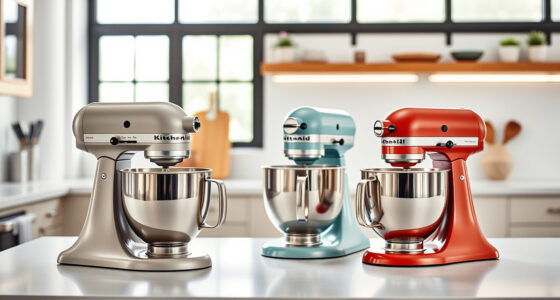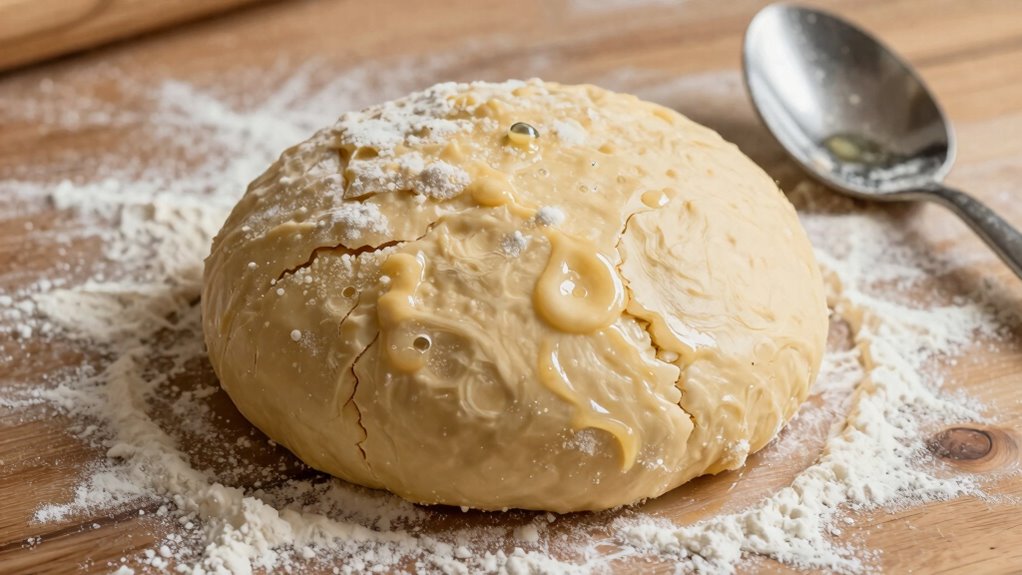

The key clue that separates great bread from average is mastering fermentation timing and knowing when the dough is just right. You’ll want to watch for the dough doubling in size, bubbling surface, and visible yeast activity, which indicate proper fermentation. Proper mixing and handling set the stage, but it’s these signs that tell you when your bread will develop flavor and texture. Keep an eye on these indicators, and you’ll reveal bakery-quality results every time.

Get baking supplies delivered free — and shop member deals
- Fast, free delivery on millions of items
- Access to Prime Big Deal Days deals on October 6–7
- Prime Video, Amazon Music and more included
Key Takeaways
- Proper initial mixing ensures gluten development, crucial for dough elasticity and bread structure.
- Achieving the right dough consistency during mixing directly impacts fermentation success.
- Recognizing the optimal fermentation stage through dough behavior distinguishes great bread from average.
- Consistent mixing that produces a smooth, elastic dough leads to better oven spring and crumb.
- Proper handling during mixing sets the foundation for complex flavors and a desirable texture.
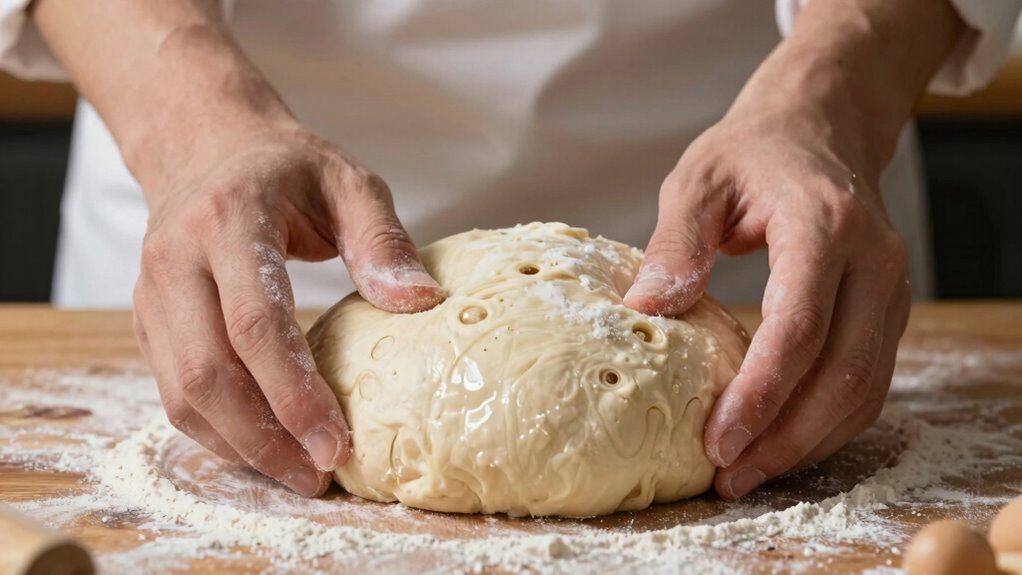
When it comes to baking bread, the secret often lies in the way you mix the ingredients. How you combine your flour, water, yeast, and salt sets the foundation for the entire process. But more than just mixing, paying attention to fermentation timing and dough consistency can make the difference between an average loaf and a truly outstanding one. These elements are closely linked and can be the defining factors in your bread’s final texture and flavor.
Fermentation timing is crucial. Once you mix your ingredients, you need to give the dough enough time to ferment properly. Rushing this step can lead to underdeveloped flavors and a dense crumb. Conversely, letting the dough ferment for too long might cause over-fermentation, which can weaken the gluten structure. The key is to observe your dough’s behavior—look for it to roughly double in size and develop a slightly bubbly surface. This indicates that the yeast has done its job, creating the carbon dioxide that leavens the bread. If you’re attentive to fermentation timing, you’ll notice a significant difference in the bread’s taste and texture, with more complex flavors and a lighter, airier crumb. Paying attention to dough behavior can help you perfect your fermentation process, especially when considering factors like room temperature and humidity.
Proper fermentation timing ensures flavorful, airy bread by allowing dough to double in size and develop bubbles.
Dough consistency is another critical factor. During mixing, you want the dough to come together into a smooth, elastic ball. Too sticky, and it’s hard to handle; too dry, and it won’t stretch properly. Achieving the right dough consistency requires adjusting your water or flour slightly, depending on humidity and flour type. Proper consistency ensures the dough can trap gases during fermentation, which results in a well-risen loaf with a tender crumb. When your dough is just right—smooth, elastic, and slightly tacky—you’re setting the stage for optimal fermentation and a superior bread structure. Dough elasticity is essential for good oven spring and a pleasing crumb structure.
As an affiliate, we earn on qualifying purchases.
Frequently Asked Questions
How Does Ingredient Quality Affect the Mixing Process?
Ingredient quality directly influences the mixing process because fresh ingredients like flour and yeast promote better gluten development, resulting in stronger dough. When ingredients are fresh, they hydrate evenly and react properly, making mixing smoother and more effective. Conversely, stale ingredients can hinder gluten formation, leading to poor dough elasticity and structure. So, using high-quality, fresh ingredients guarantees ideal mixing and ultimately, superior bread.
What Role Does Temperature Play During Mixing?
You might think temperature’s a minor detail, but it actually controls fermentation timing and yeast activation. If it’s too warm, yeast activates too quickly, risking over-fermentation and dense texture. Too cold, and fermentation stalls, delaying proofing. Precise temperature guarantees ideal yeast performance, giving your bread the perfect rise and flavor. Ironically, a little heat can make all the difference between average and extraordinary bread, so don’t overlook it.
Can Different Flours Require Different Mixing Times?
Yes, different flours require varying mixing times due to differences in flour hydration and gluten development. For example, high-protein bread flours need longer mixing to fully develop gluten, while softer flours like cake flour need less. Adjust your mixing time accordingly to guarantee proper flour hydration and ideal gluten development, which are essential for achieving the right dough structure and texture in your bread.
How Does Mixing Technique Influence Bread Texture?
Your mixing technique directly influences bread texture by affecting fermentation dynamics and gluten development. Proper mixing guarantees even gluten formation, creating a strong network that traps gas and results in a light, airy crumb. Overmixing can weaken this structure, leading to dense bread, while undermixing hampers fermentation. By mastering your mixing method, you optimize fermentation and gluten formation, producing bread with a desirable, consistent texture that elevates your baking.
What Are Common Mistakes to Avoid When Mixing Dough?
To avoid overmixing pitfalls and under mixing errors, pay attention to your dough’s consistency. Don’t overmix, as it can develop too much gluten, resulting in dense bread. Conversely, under mixing prevents proper gluten formation, leading to uneven texture. Mix just until ingredients are combined and dough is cohesive. Use gentle, steady movements, and stop as soon as the dough reaches the right consistency to guarantee a light, airy loaf.
As an affiliate, we earn on qualifying purchases.
Conclusion
So, if you want your bread to be legendary, never underestimate the power of that perfect mixing clue. It’s the secret weapon that transforms your loaf from ordinary to mind-blowingly spectacular—like turning a simple ingredient into a masterpiece that could win awards! Master this step, and you’ll create bread so divine, people will think you’ve revealed the secrets of the universe. Get mixing, and prepare to blow minds with every bite!
As an affiliate, we earn on qualifying purchases.
As an affiliate, we earn on qualifying purchases.
Evergreen bestsellers Picks
bestsellers
As an affiliate, we earn on qualifying purchases.